


Cardiff Illegal Poker Den Sentences Reveal What Unlicensed Gambling Removes
Two Cardiff men received suspended three-year sentences after illegal poker games. A 2027 hearing will address the alleged proceeds and financial consequences.
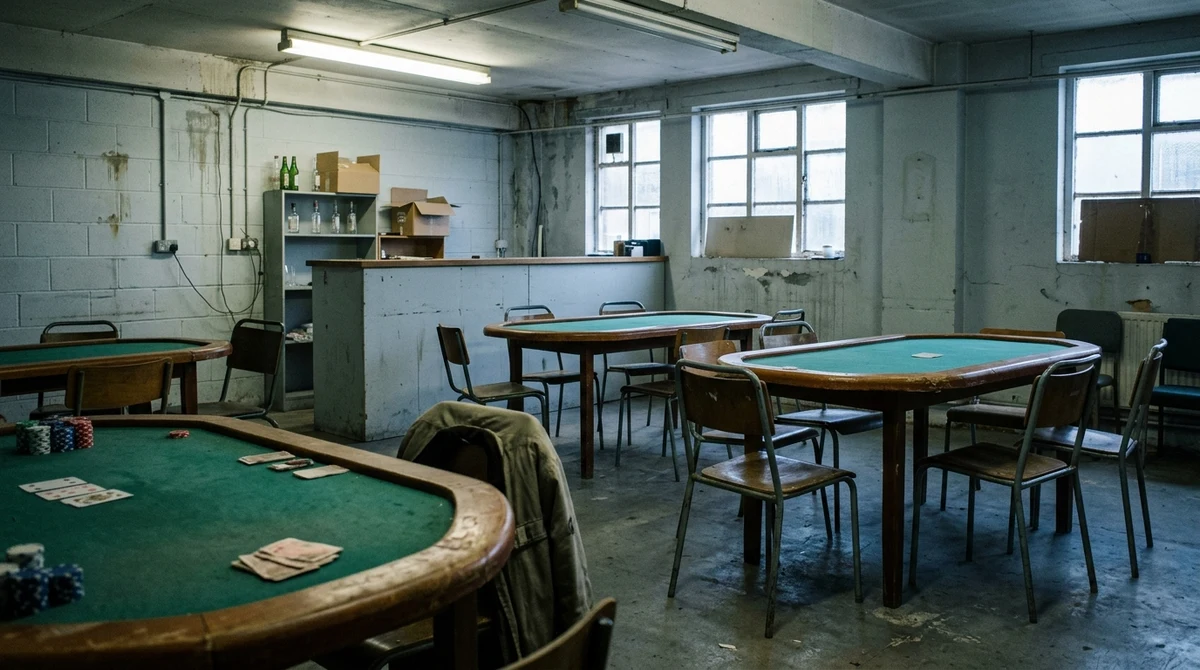
Two men received suspended three-year prison sentences after admitting Proceeds of Crime Act offences linked to illegal poker games in Splott, Cardiff, the Gambling Commission said on 5 October 2026.
The case goes beyond the sentence. It shows what can disappear when gambling operates outside the licensed system: customer checks, financial records and safeguards for vulnerable players.
What happened in Splott
Noor Rassam, 29, from Pentwyn, and Panayiotis Karayiannis, 30, from Pontprennau, ran poker games from an upstairs room in an industrial unit between August 2022 and February 2024.
The Gambling Commission said the venue contained six poker tables, a prize wheel, seating areas and fridges stocked with drinks and snacks. Officers later executed warrants at the unit and at residential and business addresses connected to the men.
Both defendants admitted possessing criminal property and transferring criminal property under the Proceeds of Crime Act 2002. Their three-year sentences were suspended for three years.
A further Proceeds of Crime Act hearing is scheduled for 9 April 2027. It will address the financial consequences of the case.
Why the regulator highlighted player safety
The Gambling Commission said the operation had no safeguards for identifying vulnerable people or supporting customers experiencing gambling addiction. Tarian, the Regional Organised Crime Unit, said some players lost substantial sums and became indebted to the organisers.
Licensed gambling businesses in Great Britain must operate within controls covering customer protection, anti-money-laundering checks and safer gambling duties. An illegal venue operates outside those requirements.
The Commission’s 2026 money-laundering risk assessment, published on 30 July 2026, warned that illegal gambling can generate criminal proceeds and provide a way to launder money. It said illegal operators targeting the United Kingdom do not follow the safeguards imposed on licensed businesses.
The practical warning is clear: gambling outside the licensed system can leave players without the protections expected from legitimate operators.
How the investigation was coordinated
The Cardiff investigation involved the Gambling Commission, Tarian, HM Revenue and Customs and Cardiff Council’s Licensing Department. The warrants were carried out in February 2024, before the sentences announced on 5 October 2026.
The agencies brought different expertise to the case. The Gambling Commission provided gambling intelligence and regulatory knowledge. Tarian investigated suspected organised criminality. HM Revenue and Customs addressed undeclared financial activity, while the council contributed local licensing expertise.
“Unlicensed gambling is not a victimless offence,” Tarian Detective Constable Charles Lan said in the Commission’s account of the case.
The Commission said the investigation began with information about the illegal gambling den. Its message to illegal operators was direct: tip-offs can trigger investigations, criminal proceedings and financial recovery action.
What the case means for the British market
- The sentences show that illegal gambling can bring criminal consequences when the charges concern criminal property.
- The 9 April 2027 hearing could lead to further financial orders linked to the alleged proceeds.
- The case reinforces the regulator’s focus on intelligence-led enforcement against illegal gambling in Great Britain.
- Consumers using unlicensed venues cannot assume that the protections available through licensed gambling businesses will exist.
The Cardiff case does not create a new gambling rule. It is an enforcement outcome under existing law.
Its warning is practical. When gambling takes place outside the licensed system, players may lose the safeguards that regulators expect legitimate operators to provide.