


Machine Games Duty could rise to 25%, as HMRC weighs who pays
The proposed April 2027 increase targets machines above either threshold; a separate consultation could shift liability to suppliers from April 2028.
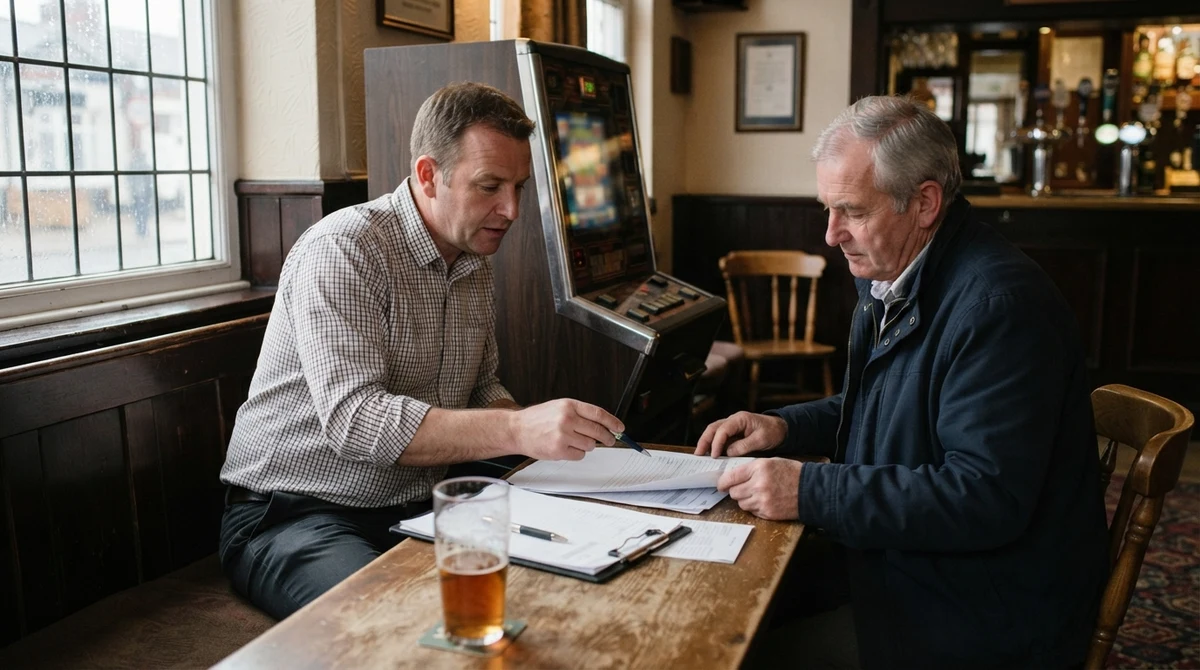
HM Revenue & Customs plans to raise Machine Games Duty from 20% to 25% on qualifying machines from 1 April 2027. A separate proposal could change which businesses pay the duty on some supplier-owned machines from 1 April 2028. Neither change is yet law.
The proposals matter to pubs, clubs, arcades and other gambling venues. The consultation on liability opened on 28 October 2026 and closes on 20 January 2027.
Which machines would face the higher rate?
HMRC’s policy paper, published on 29 October, says the 25% rate would apply if either threshold is exceeded:
- The machine’s maximum charge to play is more than £1.
- The machine’s maximum prize is more than £100.
Machine Games Duty is charged on net takings: play charges minus winnings paid out. It is not a tax on the full amount players stake. HMRC estimates the planned rate change would affect about 5,100 operators across roughly 12,400 active premises, including adult gaming centres, bingo venues, betting shops and casinos.
Who could pay under the second proposal?
From 1 April 2028, machine suppliers would become liable for supplier-owned machines operated under profit-share arrangements. Premises operators would remain liable if they own a machine outright or use it under a fixed rental or lease arrangement and control its takings.
HMRC is consulting on how those distinctions would work in practice, including record-keeping, business impacts and complex or mixed arrangements. The consultation does not seek views on the duty rates or the machine stake and prize limits.
What happens next?
The rate increase is planned for legislation in Finance Bill 2026-27. The liability reform is also a government plan, and HMRC is consulting on its implementation ahead of the scheduled 1 April 2028 start. HMRC says it will consider responses and publish a formal response after the consultation closes.
The rate proposal would change the duty on qualifying machines. The later reform would change which business accounts for it in specified supplier-owned profit-share deals.
For operators, suppliers and venues, the distinction matters: the first proposal changes the rate, while the second could shift responsibility for paying. The consultation gives businesses a chance to explain how their machine arrangements work on the ground.