


Manchester Raid Highlights Money-Laundering Risks for Licensed Gambling Businesses
Four people were arrested and more than £20,000 seized. The case shows how illegal venues can undercut regulated operators and trigger enforcement action.
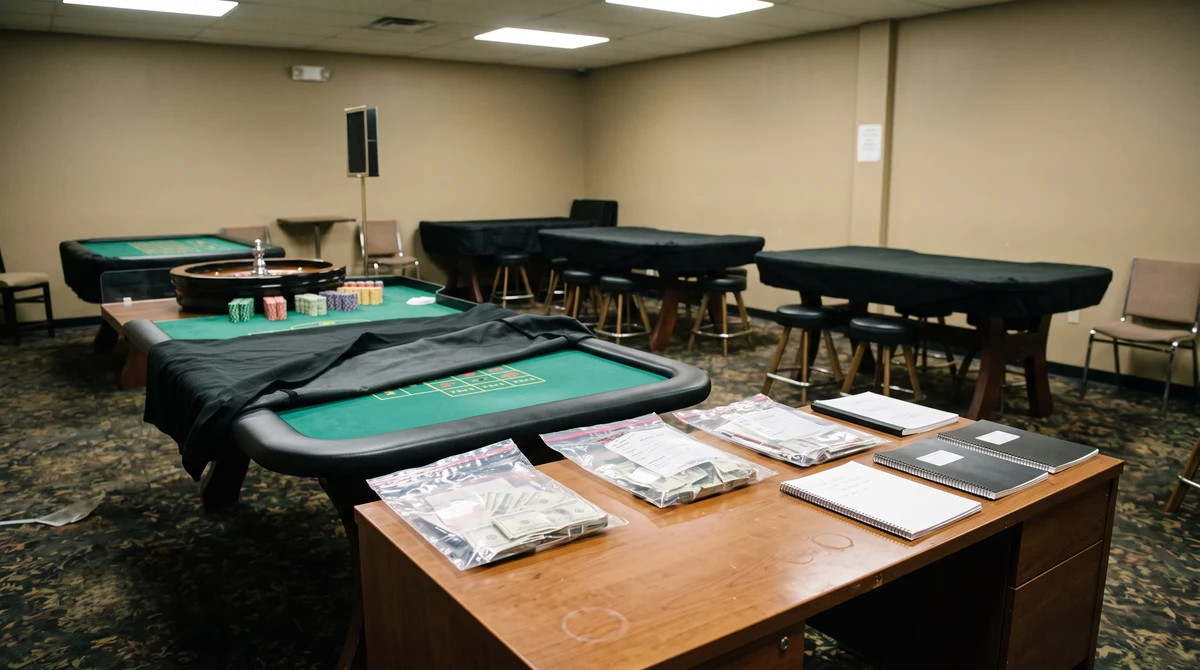
Greater Manchester Police arrested four people and seized more than £20,000 in cash during raids on suspected illegal gambling premises in Deansgate and Manchester city centre on Monday, 21 September 2026.
The operation brought together police, the Gambling Commission and Manchester City Council’s licensing team. It also highlighted the risks that unlicensed venues may pose to public safety and regulated gambling businesses.
The arrests remain allegations under investigation. No one had been charged when police published their statement on Tuesday, 22 September.
What police said they found
Greater Manchester Police carried out four warrants after an investigation into suspected illegal gambling premises. Officers seized gambling tables, records, account books, mobile phones and other gambling-related items.
- Four people arrested
- More than £20,000 in cash seized
- Four warrants carried out
- Gambling equipment, records and mobile phones recovered
Police said the cash was believed to have been laundered and was seized under the Proceeds of Crime Act. That wording reflects an investigative suspicion. It is not a court finding.
Police said intelligence from a previous gambling operation in May helped inform the latest action.
Why licensed operators are watching the case
Commercial gambling premises in England generally need authorisation from the relevant local licensing authority. Operators also need the appropriate operating licence from the Gambling Commission, depending on the gambling activity they provide. Manchester City Council’s guidance sets out the requirements for premises in the city.
Unlicensed venues do not face the same formal compliance requirements as regulated businesses. Licensed operators must manage risks through measures such as identity checks, anti-money-laundering controls, record keeping and cooperation with enforcement agencies.
The Gambling Commission’s 2026 risk assessment classifies remote and non-remote casinos, along with non-remote off-course betting, as high-risk sectors for money laundering. The assessment covers Great Britain and examines risks recorded between 1 April 2023 and 31 October 2025.
What the regulatory framework requires
The Gambling Commission says unlicensed operators can be linked to wider criminal activity, exploit vulnerable people and undermine legitimate businesses.
Its anti-money-laundering guidance requires licensed operators to maintain risk-based controls and comply with relevant licence conditions. The framework does not change because of the Manchester arrests. The case shows how enforcement bodies can combine criminal investigations, licensing powers and regulatory intelligence.
Manchester City Council is the local licensing authority for gambling premises in the city. Its published guidance says applicants for a premises licence must hold the necessary Gambling Commission operating licence, unless a more limited permit or authorisation applies.
What happens next
The investigation remains ongoing. Police said one man was arrested on suspicion of money laundering and providing gambling facilities without authority.
Two other men were arrested on suspicion of immigration offences. A fourth man was arrested over alleged licensing offences linked to a late-night takeaway.
All four people remained in custody when the police statement was published, and no charges had been announced. Further action could depend on evidence recovered from the seized phones, gambling records and financial material.
Any later charges or court proceedings would need to be confirmed separately by the police or the courts.