


Proposed 40% Tax Rate Puts Britain’s Betting Shops and 16,000 Jobs at Risk
A proposed Machine Games Duty increase could threaten betting shops and jobs, but the 40% rate is not yet law.
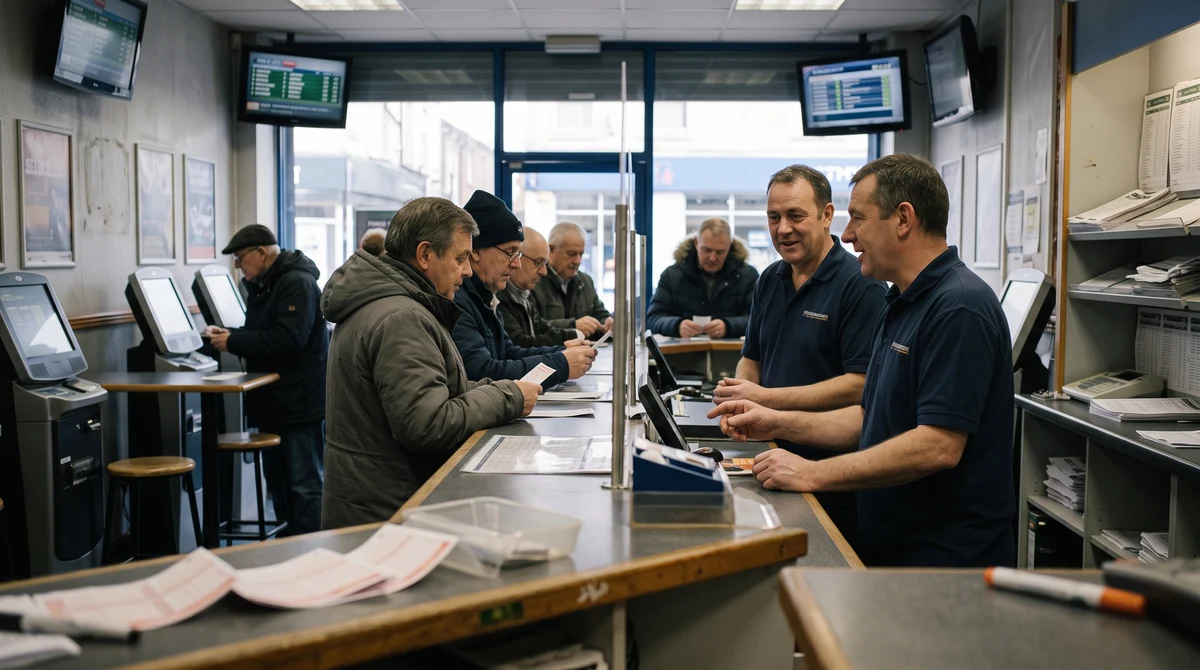
Britain’s betting shops are facing a new tax battle. The Betting and Gaming Council launched its Back Our Betting Shops campaign on 28 September 2026.
The council warns that a proposed rise in Machine Games Duty could put up to 16,000 jobs and nearly 1,500 betting shops at risk.
The 40% rate remains a proposal. Current Machine Games Duty rates still apply ahead of the autumn Budget.
What could change
Machine Games Duty applies to takings from gaming machines in licensed premises. HM Revenue and Customs currently lists three rates:
- 5%
- 20%
- 25%
The applicable rate depends on the machine’s cost to play and maximum prize.
The industry is opposing a possible 40% rate. The Betting and Gaming Council says EY modelling estimates that the change could put nearly 1,500 betting shops, as many as 34 casinos and up to 16,000 jobs at risk.
The council also claims the Treasury could be £124 million worse off if closures reduce the wider tax base. That figure comes from industry-backed modelling, not a government forecast.
Why high streets are part of the argument
The campaign says more than 3,000 betting shops have closed since 2019. It says regulated betting shops still support more than 36,000 jobs across Britain.
Those figures include shop staff, managers and other workers linked to retail betting. The council argues that further closures could reduce footfall for neighbouring businesses and remove venues that some communities use as local meeting places.
The dispute is not only about tax rates. It is also about whether Britain’s remaining betting-shop network can stay viable.
How the wider tax picture has changed
Other gambling tax changes have already altered the sector. Remote Gaming Duty rose from 21% to 40% on 1 April 2026.
A new 25% rate for most remote betting is due to begin on 1 April 2027. Those measures apply to online gambling. They are separate from the proposed Machine Games Duty change for machines in betting shops and other premises.
The calculation facing operators and ministers
For operators, the question is whether betting shops can remain viable when machine income helps cover fixed costs such as rent, staffing and business rates.
For ministers, the central issue is whether a higher rate would raise more money or accelerate closures. The result would depend on how operators respond, including whether they reduce machine numbers, close shops or cut staff.
The campaign does not settle that argument. It puts the retail betting sector’s economic case before the autumn Budget decision.
What happens next
- Current Machine Games Duty rates remain 5%, 20% and 25%.
- The possible 40% rate remains a proposal, not an enacted tax change.
- The Betting and Gaming Council will use its campaign to highlight workers, shops and local communities.
- The government’s final position will determine whether the proposal becomes legislation, changes form or is abandoned.
A tax decision intended to increase revenue could reshape Britain’s remaining betting-shop network. The consequences could reach jobs, high-street activity and the regulated gambling market.