


Racing Rights Locked In Through 2033, Extending Certainty for UK Betting Platforms
RMG has renewed media and data rights with 33 British racecourses, securing the infrastructure behind racing streams and betting services until 2033.
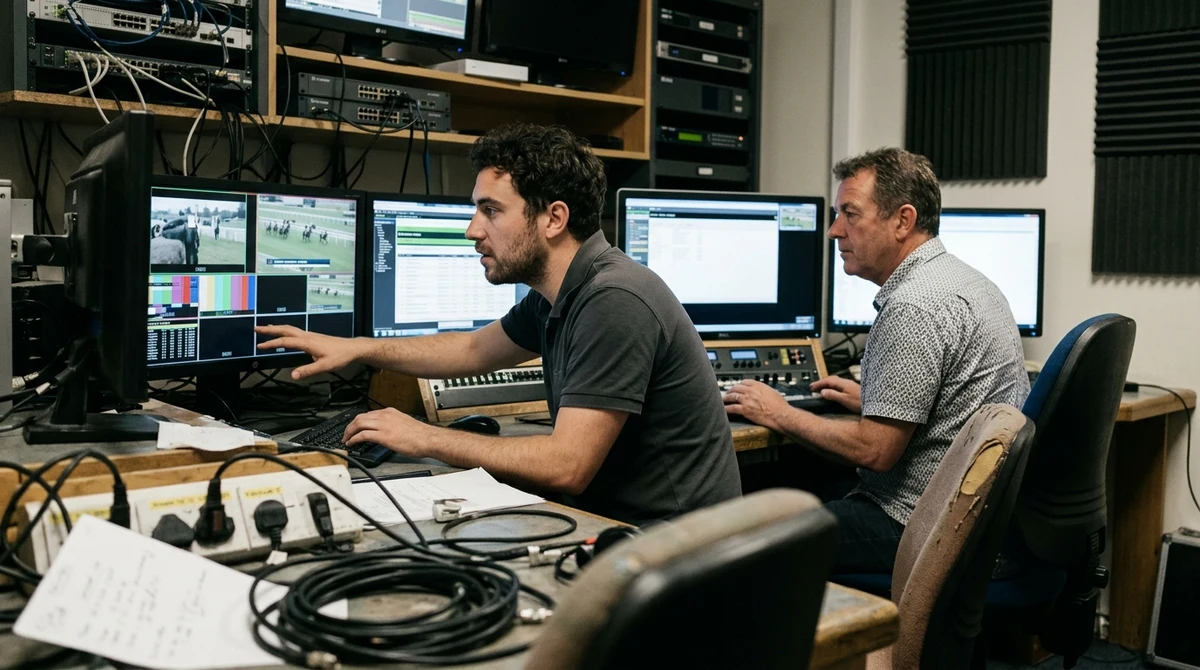
Racecourse Media Group has extended its audio-visual and data rights agreements with 33 British racecourse shareholders through 31 December 2033. The deal gives bookmakers, broadcasters and racing platforms a longer planning window for streaming, race information and betting-data services.
RMG announced the renewals on 2 October 2026. The existing agreements were due to expire at the end of 2028, making this a five-year extension agreed more than two years early. Racecourse Media Group announced the renewal.
The practical change is not a new betting rule. It is a confirmed rights framework that supports racing video, data and distribution until the end of 2033.
What the rights cover
The package reaches well beyond television pictures. It covers the media and data services used across British and international racing markets.
- Watch & Bet streaming rights.
- Direct-to-home and terrestrial television.
- International betting and non-betting rights.
- Pre-race and race-day data.
The agreements include racecourses such as Jockey Club Racecourses, York, Goodwood and Ayr. They also cover 16 smaller independent venues, keeping a broad group of British racecourses within the same commercial structure.
Why the deal matters to betting technology
For a bookmaker, racing rights are not only a broadcast issue. They support the data feeds, schedules, results and video services built into betting products.
The renewal does not create a new Gambling Commission rule or guarantee identical services and prices for every operator. Its narrower effect is commercial. Suppliers and licensed operators can plan around a confirmed rights structure through 2033.
That longer horizon may help businesses budget for streaming delivery, data licensing and platform integration. This is an implication of the contract term, not a promise from RMG about future operator costs.
How the money returns to racecourses
RMG is owned by its racecourse shareholders. Chief executive Nick Mills said the company returns every pound of operating profit to those shareholders, supporting prize money, facilities and investment in the sport.
The Jockey Club said RMG income has helped fund prize money, racecourse facilities and customer improvements. York described the ownership model as a way for racecourses to retain control of their media and data rights while sharing commercial expertise.
A fixed point in a changing market
RMG chair Conor Grant linked the renewals to pressure from retail betting-shop closures, regulatory change and wider economic conditions. The agreement gives racecourses a fixed rights structure while betting and media businesses continue to adapt.
Broadband TV News reported that RMG’s wider activities include Racing TV, GBI Racing and Racecourse Data Company. It also reported that RMG has streaming integrations with more than 60 bookmaker brands in the UK and Ireland.
That figure shows how closely the rights business is tied to betting technology and distribution. The renewal is therefore important not only to racecourse owners, but also to the systems that deliver racing content to customers.
The deal keeps major events such as the Randox Grand National, Cheltenham Gold Cup, Derby, Sussex Stakes and Juddmonte International Stakes within RMG’s portfolio until at least 2034. That reflects how race calendars can extend beyond the formal 31 December 2033 contract date.