


AI Midnite Ad Ruling Raises Fresh Pressure on UK Affiliate Controls
The ASA banned a Midnite TikTok ad featuring an AI character who appeared under 25, putting affiliate oversight under renewed scrutiny.
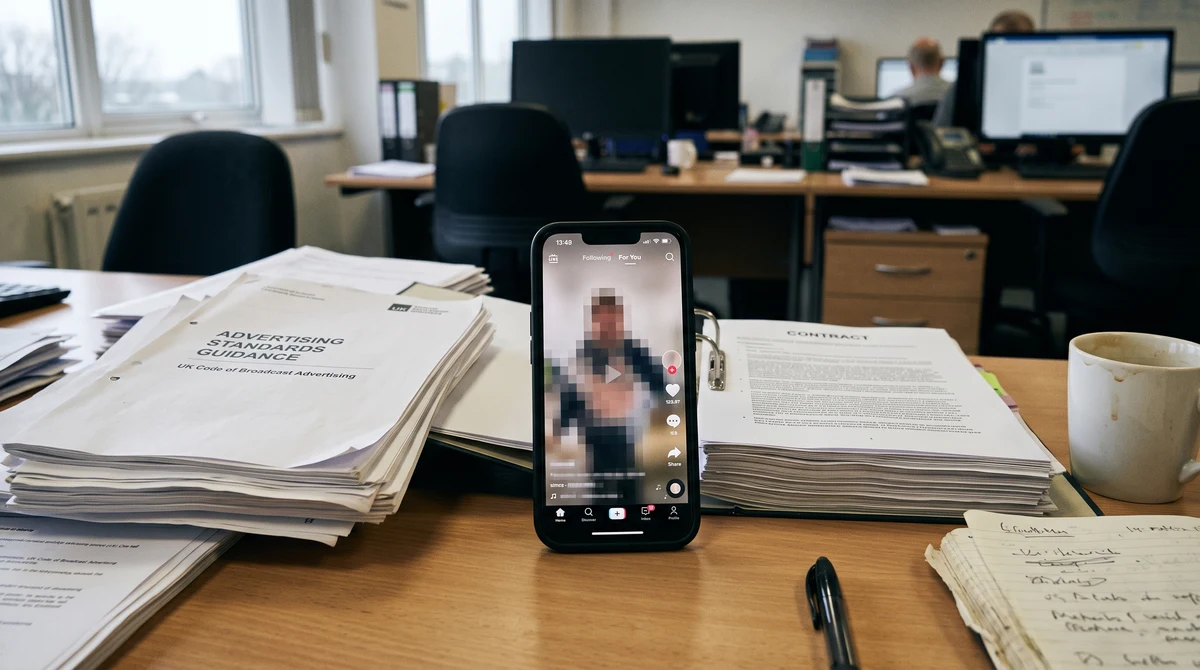
The Advertising Standards Authority upheld a complaint on 16 September 2026 against a paid TikTok ad promoting Midnite after an AI-generated character appeared to be under 25 while gambling. The ruling increases pressure on operators serving Great Britain to prove that affiliates follow age-safety and advertising approval controls.
The ASA ruling makes clear that an AI-generated character can still breach gambling advertising rules if the finished ad makes the character appear under 25.
What the ASA found
The paid TikTok ad was seen on 3 July 2026. It showed a man using a gambling app and promoting a football betting offer.
The ASA said the character's facial features, hairstyle, clothing and behaviour made him appear to be in his late teens or early twenties. It found that the ad breached CAP Code rules 16.3 and 16.3.14.
The regulator rejected the argument that the character's fictional, AI-generated status removed the advertising risk. It assessed how the character appeared to viewers. The ad showed him gambling and placed him at the centre of the promotion.
The ASA ordered Dribble Media Ltd, trading as Midnite, and Limay Media Ltd not to run the ad again in the form complained of. The decision was an ASA ruling, not a Gambling Commission licence sanction. (Advertising Standards Authority)
Midnite blamed an unauthorised affiliate
Midnite told the ASA that it had not authorised the ad. It said Limay Media created the material without permission to publish paid social media posts.
Midnite said it investigated the matter and ended its relationship with the affiliate.
Limay Media said its usual process included management review and client approval. It said that process failed in this case and that the ad remained online for only a few hours.
The company said it later added age-related prompts, specific checks for perceived age, and records of AI-generation and approval steps.
Why the ruling matters for Great Britain
The case raises a central compliance question: how much control must a licensed operator retain when an affiliate produces and distributes its advertising?
Midnite's published affiliate agreement requires prior written approval for additional advertising material. It also says that affiliates and the company share responsibility before the UK advertising authority for content published on the company's behalf or intended for UK customers.
The Gambling Commission separately says responsibility for compliance on an operating gambling website remains with the licence holder and cannot be transferred to another party. Its guidance says gambling businesses must take reasonable steps to control risks created by affiliates and other third parties.
- Affiliate contracts do not replace operator approval and monitoring.
- AI-generated characters still require checks for apparent age and youth appeal.
- Operators need records showing who created, reviewed and approved each campaign.
- Ending an affiliate relationship after publication does not prevent an ASA ruling on the advertisement.
No fine, but a wider control problem
The ASA ruling does not announce a financial penalty or a Gambling Commission investigation. Its direct action is that the ad must not appear again in the complained-of form.
The ruling also instructs both companies to prevent similar use of people who are, or seem to be, under 25 in gambling advertising.
The practical risk extends beyond the individual ad. A licence holder may outsource production, media buying or affiliate distribution, but a public-facing breach can still affect the operator's brand and compliance position.
That makes approval logs, access controls, campaign audits and rapid takedown procedures important parts of advertising compliance for operators serving Great Britain.
The decision also gives advertisers a clear warning about synthetic creative. Calling a character fictional or AI-generated will not resolve an age-appeal complaint if the finished advertisement makes the character look too young.