


Betting-Shop Closures Threaten £17 Million in Annual Racing Funding
About 600 shops have closed or are closing, with 11,000 gambling jobs lost and racing facing a projected £17 million annual funding reduction.
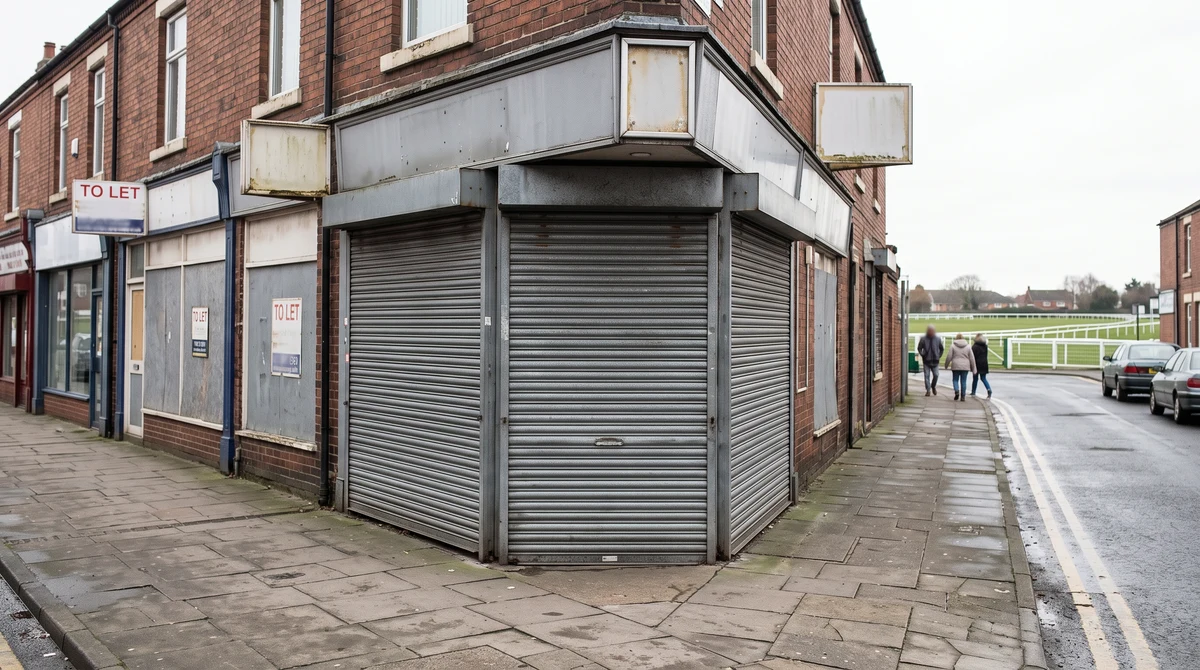
About 600 betting shops have closed or are in the process of closing since November, while around 11,000 gambling jobs have been lost since the previous Budget. The figures have intensified debate over the Government’s gambling-duty strategy and its effect on Britain’s retail betting network.
The industry assessment estimates that betting-shop closures could reduce racing income by about £17 million a year through lower levy, media-rights and sponsorship revenue.
The scale of the retail decline
Racing Post reported the assessment on 16 September 2026. It estimates that the closures could cut racing income by about £17 million a year. The calculation includes funding linked to betting activity, including the Horserace Betting Levy and media-rights payments.
The Betting and Gaming Council estimates that around 11,000 gambling-industry jobs have disappeared since the previous Budget. Racing Post reported that the losses include:
- About 6,000 jobs in online gambling businesses.
- About 5,000 jobs linked to betting shops.
- About 600 shops that have closed or are closing since November.
The assessment attributes the closures to higher taxes, rising operating costs and weaker retail economics. It names William Hill, Betfred, Paddy Power and Entain among operators that have closed outlets or announced reductions.
Flutter Entertainment has said that up to 100 Paddy Power shops across the United Kingdom and Ireland are under review. About 400 roles could be affected. The company has not disclosed how many of those shops are in Great Britain, according to SBC News.
The tax measures at the centre of the dispute
HM Revenue and Customs raised Remote Gaming Duty from 21% to 40% for accounting periods beginning on or after 1 April 2026. The Government has also set a new 25% rate for most remote betting from 1 April 2027.
Remote bets on British horse racing and bets placed through self-service betting terminals in licensed premises remain subject to the 15% rate.
Machine Games Duty remains separate. For the 2026 to 2027 tax year, the rates are 5%, 20% and 25%, depending on the machine’s cost of play and maximum cash prize.
The industry says further increases in machine taxation could make more betting shops unviable.
Why racing remains exposed
Racing was excluded from the new higher remote betting rate. Its wider commercial income still depends heavily on the health of licensed bookmakers.
Fewer shops can mean fewer betting transactions, weaker media-rights payments and less spending on sponsorship and customer offers. The projected £17 million reduction is therefore linked to the wider contraction of the retail network, not a direct tax increase on racing.
Government policy documents say remote bets on British horse racing remain at 15% because operators already pay a 10% statutory levy on those bets. That protection does not remove the commercial pressure created when bookmakers reduce their retail estates.
Licensed operators in Great Britain must continue to comply with Gambling Commission licence conditions and safer-gambling requirements, whether they operate online or from betting premises.
What changes next
- Operators are expected to continue reviewing shop numbers and staffing levels.
- Racing bodies face pressure to protect levy and media-rights income.
- The Treasury is likely to face renewed calls to assess the combined effect of gambling duties and business costs.
- Any future change to Machine Games Duty could affect the viability of more retail betting shops.
The central policy question is whether the Government can raise gambling revenue while preserving the retail network that supports jobs, high-street activity and a substantial share of racing’s commercial income.