


New Football Bet Extends In-Play Engagement, Testing Great Britain’s Safeguards
Upside Betting keeps one football bet active until full time, raising questions about engagement, product oversight and safer-gambling controls.
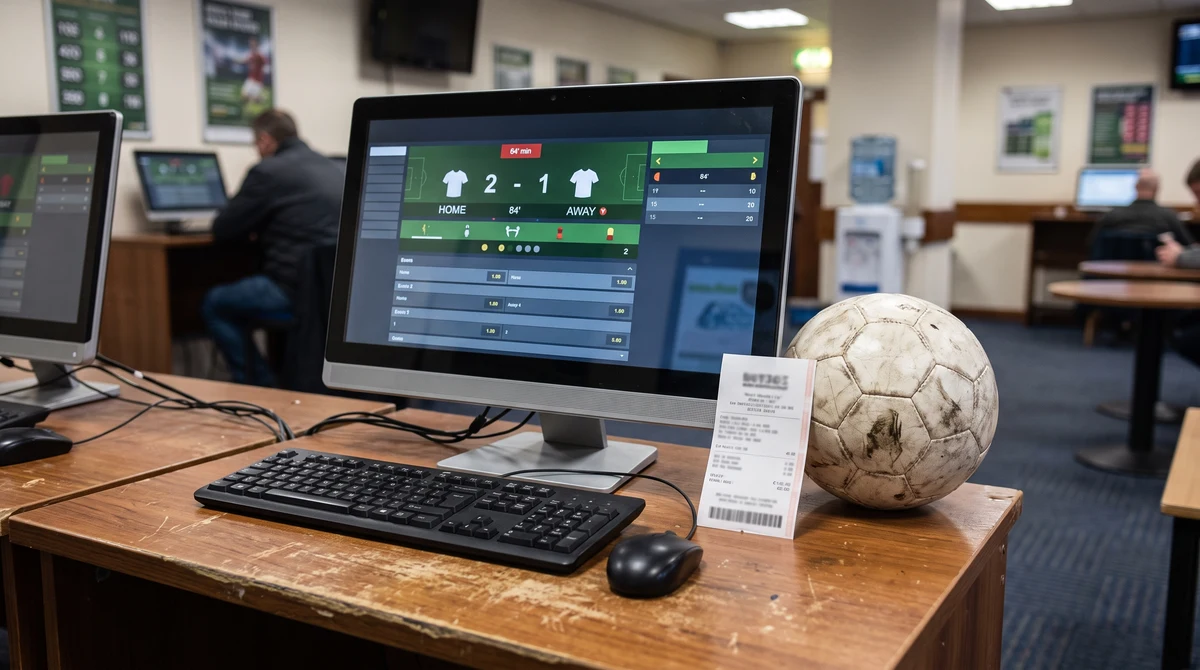
Spotlight Sports Group and Sporting Solutions announced Upside Betting on 15 September 2026. The football product keeps one pre-match bet active until the final whistle. Potential payouts change when goals, corners and cards occur.
The product is aimed at sportsbook operators, including suppliers and licence holders serving regulated markets such as Great Britain. It is a betting mechanic, not a new Gambling Commission licence or regulatory approval.
Upside Betting could extend a single wager across an entire match. Its commercial claims now face a separate question: how should operators assess the safer-gambling risks of longer in-play engagement?
How Upside Betting works
A customer places one bet before kick-off. The bet remains active during the match, while potential returns increase when specified events occur.
- The product can include goals, corners and cards.
- Jackpot settings can be configured at 10 times, 25 times or 50 times the original stake.
- Spotlight said the product currently covers major domestic and international football leagues.
- The companies said it is due to expand into basketball during September 2026.
The structure differs from a standard pre-match bet. It is designed to create a continuing in-play experience without requiring the customer to place another bet after kick-off.
Supplier figures remain unverified
Spotlight said early users who found and played Upside generated 109% more gross gambling yield than a comparable recreational group. The company also said those users staked 27.5% more and were 1.8 times more likely to remain active after 28 days.
Those figures are supplier-reported. The announcement does not provide the sample size, the identity of the comparison operators, the reporting period or an independent audit.
The figures therefore show how the companies are positioning the product commercially. They do not establish that Upside improves customer outcomes or reduces gambling-related risk.
Why Great Britain will scrutinise the design
For operators licensed in Great Britain, the central issue is whether the product’s design and use fit existing duties on customer protection, product oversight and safer gambling.
The Gambling Commission’s remote customer-interaction guidance requires operators to monitor behaviour, identify indicators of harm, take action and assess the outcome.
A wager that remains active throughout a match may create an additional behaviour pattern for operators to assess. This could include continued gambling after repeated in-play events. The guidance does not, by itself, amount to approval of Upside Betting.
The Gambling Commission’s technical standard for in-play betting also requires operators to warn customers that live broadcasts can be delayed. It states that other people may have more up-to-date information.
Any deployment in Great Britain would need to account for that requirement on relevant in-play pages or screens.
A licence does not cover every operator
Sporting Solutions Services Limited, the company behind Sporting Solutions, holds an active Gambling Commission remote gambling software licence. The public register lists licence 052033-R-329380-007 as active from 27 September 2018.
That licence confirms the company’s software authorisation, but it does not confirm that every operator using Upside may offer it to customers in Great Britain. Each operator would remain responsible for its own regulatory obligations.
Marketing would face a separate test. Great Britain’s advertising rules prohibit gambling communications that encourage socially irresponsible behaviour or exploit vulnerable people.
The rules also restrict content likely to appeal strongly to under-18s, including in football-related campaigns.
The immediate significance of Upside is commercial. It gives sportsbooks a way to extend one football wager through the full match. The regulatory question is whether that longer engagement can be measured and controlled without making a single bet a stronger prompt for continued gambling.