


Britain’s New Gambling Minister Faces a Tax, Compliance and Black Market Test
Vicky Foxcroft inherits gambling policy as taxes and regulatory costs rise, while illegal operators remain a major enforcement challenge.
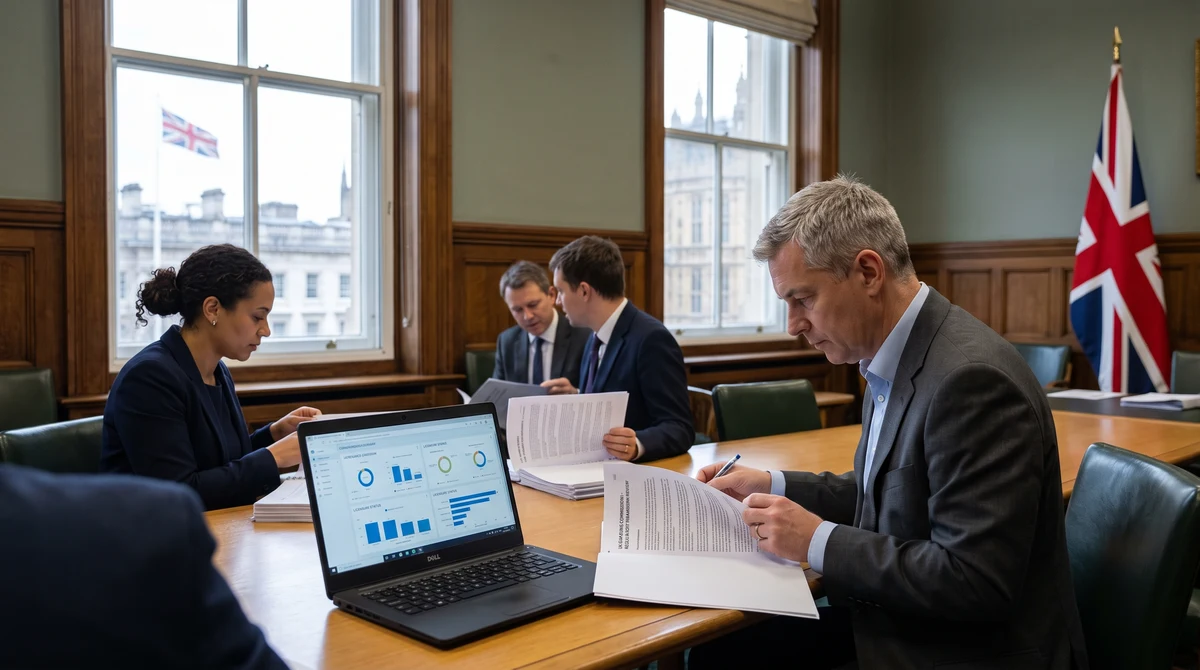
Vicky Foxcroft became the UK minister responsible for gambling on 22 July 2026. She takes charge of a market facing higher taxes, tighter compliance demands and competition from illegal operators.
The Betting and Gaming Council welcomed Foxcroft in a statement published on 2 September. It called for engagement on the future of the regulated sector. The statement was industry lobbying, not a government decision or new legal measure.
Foxcroft’s policy challenge is to balance higher public revenue and player protection against the regulated sector’s ability to compete with unlicensed operators.
Tax pressure is already in force
Remote Gaming Duty rose from 21% to 40% on 1 April 2026. A new 25% rate for remote general betting is scheduled to apply from 1 April 2027.
Remote bets on UK horse racing will remain outside the new rate. Betting through self-service terminals in licensed premises will remain subject to the 15% rate.
The government says the changes should raise more than £1 billion a year for public finances. HM Revenue and Customs said the higher remote gaming rate reflects lower operating costs and higher associated harm linked to online gaming.
Compliance costs could also rise
The Gambling Commission is consulting on a new operating fee structure. The consultation is a proposal, not a final fee decision.
The Commission says its reserves could be exhausted during the 2026 to 2027 financial year without an October 2026 fee increase. Under the maximum option, total licence fees paid by operators would rise from 0.21% to 0.28% of industry Gross Gambling Yield.
The proposed model would take account of market share, gambling risk and regulatory effort. Remote casino licences could face some of the largest increases.
Remote casino Gross Gambling Yield reached £5 billion in 2024 to 2025, up from £2.9 billion in 2017 to 2018. That growth helps explain why the sector is central to the Commission’s proposed fee model.
The regulated market is growing unevenly
Gambling Commission data for January to March 2026 showed online Gross Gambling Yield of £1.55 billion among the largest operators. That was up 7% year on year. Online slots generated £773 million, up 12%.
The high street recorded a different trend. Betting premises Gross Gambling Yield fell 5% year on year to £527 million during the quarter. Over-the-counter betting Gross Gambling Yield fell 18% to £125 million.
These figures measure Gross Gambling Yield, not stakes, deposits, profit or tax. They show where regulated gambling revenue was generated during the reporting period.
They do not establish whether operators can absorb future tax and fee increases without changing prices, investment or their retail presence. That will depend on business decisions and future policy.
Illegal competition is an enforcement issue
The Gambling Commission’s 2026 risk assessment says illegal gambling websites targeting Britain can expose consumers and payment systems to money laundering and terrorist financing risks.
Unlicensed sites do not follow the Commission’s licence conditions or British customer protection rules. The government has allocated £26 million over three years to strengthen action against illegal gambling.
Between April and June 2026, the Commission recorded:
- 147,721 URLs referred to search engines
- 217 cease-and-desist notices issued to illegal operators
- 27 websites geo-blocked by operators
The enforcement effort is separate from the tax debate. The Commission says disruption of illegal markets can return some expenditure to licensed businesses.
It has not published evidence showing that the latest tax changes caused customers to move to illegal sites. That distinction matters as ministers assess whether higher costs could affect the regulated market.
What Foxcroft inherits
Foxcroft faces competing government and industry priorities. Ministers want higher public revenue, stronger player protection and tougher action against unlicensed gambling.
Licensed operators want lower cumulative costs and rules they say are proportionate enough to compete with offshore businesses.
- Tax: Remote Gaming Duty is already 40%, with remote betting duty due to rise in April 2027.
- Regulation: Gambling Commission fee changes remain under consultation.
- Enforcement: The Commission is expanding action against illegal operators and payment routes.
- Market structure: Online Gross Gambling Yield is rising while high-street betting revenue is falling.
The next policy test is whether the minister treats industry concerns as evidence for review rather than as policy in themselves. Any change to gambling law, tax or licensing will require a separate government announcement and, where necessary, parliamentary or regulatory action.