


Buzz Bingo sales rise 11%, but £65m loss reveals Britain’s margin squeeze
Buzz Bingo grew revenue to £241.4m, but rising labour, tax and finance costs drove its pre-tax loss to about £65m.
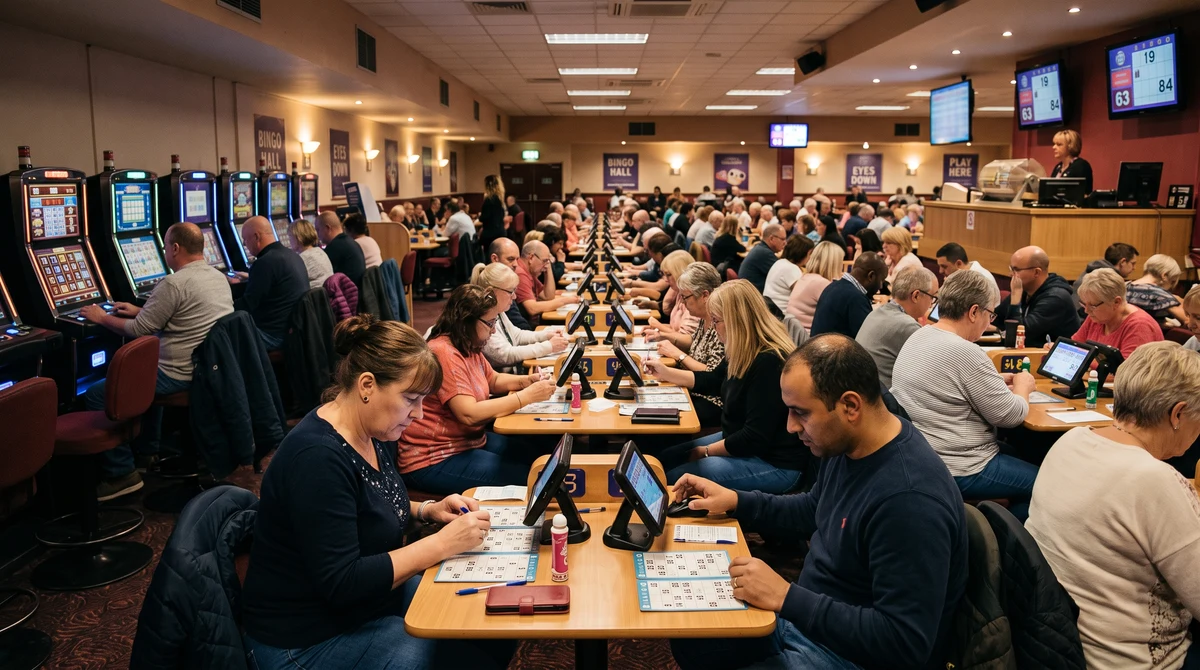
Buzz Bingo increased group revenue by 11% to £241.4m in the 12 months to January 2026. Higher labour costs, gambling taxes, finance costs and impairment charges pushed its pre-tax loss to about £65m.
Buzz Bingo attracted more customers and expanded online sales, but revenue growth did not prevent a sharp deterioration in profitability.
The results, reported on September 3, 2026, highlight the pressure facing Great Britain’s retail bingo sector. BingoDaily reported the figures in its financial analysis of the company’s accounts.
Revenue grew across clubs and online
Retail revenue increased 11% to £192.3m. Revenue from online bingo, slots and casino also rose 11%, reaching £49.1m.
- Like-for-like retail admissions reached about 4.9 million.
- Around 190,000 new club customers joined.
- About half of those new customers were aged 35 or under.
- Online customer numbers increased by about 18%.
- New digital customer numbers rose by roughly 30%.
The figures support Buzz Bingo’s strategy of using its clubs to attract and retain online customers. BingoDaily reported that seven refurbished clubs recorded admissions about 20% above the rest of the estate.
Costs weakened underlying earnings
Underlying earnings before interest, tax, depreciation and amortisation fell about 6%, from £41.8m to £39.2m. The underlying margin dropped from 19.2% to roughly 16.2%.
Staff costs rose 17% to approximately £61.4m. The company attributed the increase to higher employer National Insurance contributions and the rise in the National Living Wage.
Buzz Bingo operated 76 clubs at the end of the period, compared with 79 a year earlier.
Statutory loss more than doubled
Buzz Group’s pre-tax loss widened from about £33m to approximately £65m.
The statutory result included an £18.5m goodwill impairment charge, along with depreciation and finance costs excluded from underlying earnings.
The impairment reflects lower expected future cash flows from part of the business. It is an accounting charge, not an £18.5m cash payment.
Interest-bearing borrowings stood at roughly £322.4m. Net liabilities reached about £256.5m, according to BingoDaily’s review of the accounts.
Tax changes create a split outlook
The results cover a period before the latest gambling duty changes took effect. From April 1, 2026, Remote Gaming Duty increased from 21% to 40% for remote gaming profits from UK customers.
At the same time, Bingo Duty was abolished. HM Revenue and Customs guidance confirms that the changes reduce a tax cost for land-based bingo clubs while increasing the duty burden on remote gaming.
The changes give Buzz Bingo a stronger financial incentive to improve club performance. They also increase the importance of controlling costs in its online operation, where the higher duty rate applies.
What the figures mean for the market
Buzz Bingo is attracting customers, investing in venues and expanding digital engagement. The results also show that higher sales have not protected margins.
- Group revenue rose 11% to £241.4m.
- Retail revenue reached £192.3m.
- Online revenue reached £49.1m.
- Underlying earnings fell 6% to £39.2m.
- Pre-tax loss widened to about £65m.
- The club estate fell from 79 sites to 76.
Employment costs, borrowing costs and the higher tax burden on remote gaming absorbed much of the additional revenue.
Buzz Group remains listed as an active gambling business on the Gambling Commission’s public register. The register identifies Buzz Bingo among the company’s active trading names, but it does not indicate the group’s financial strength or profitability.
The next reporting period will show whether the abolition of Bingo Duty can offset the higher Remote Gaming Duty rate and rising operating costs. The central financial question is whether Buzz Bingo can turn sales growth into sustainable profit.