


Genting to Close Coventry Casino, Putting 51 Jobs Under Pressure
Genting will close its Coventry casino, putting 51 jobs under pressure as rising costs and a proposed tax increase test Britain’s regulated venues.
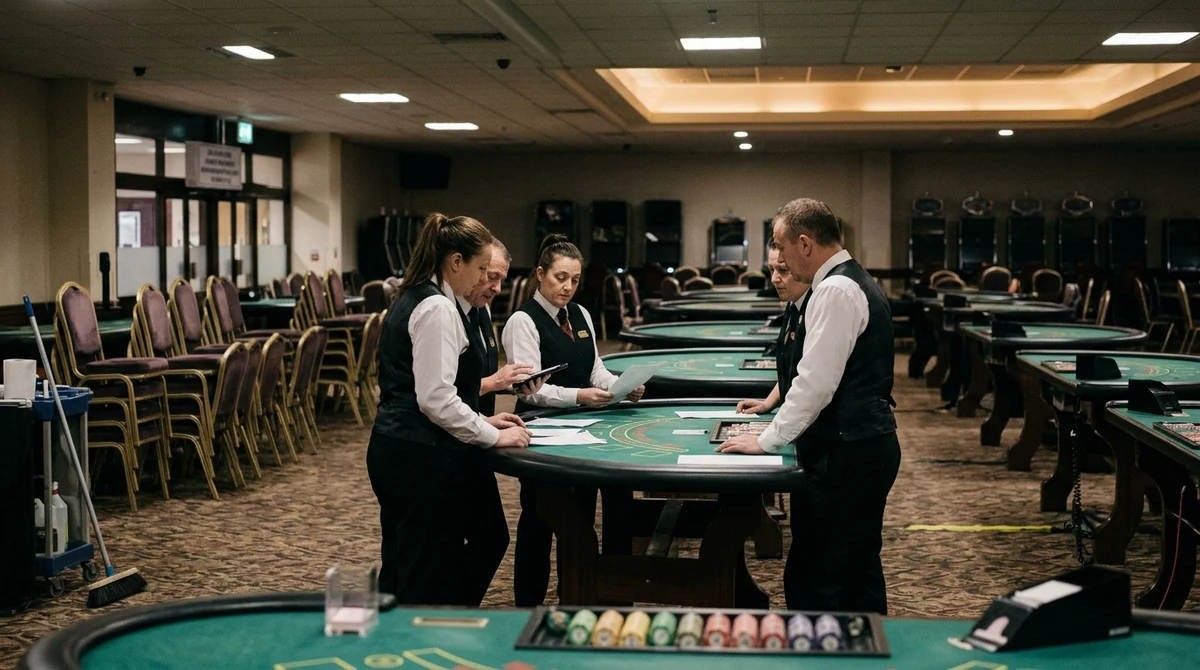
Genting Casinos UK will close its Coventry casino after a staff consultation, putting 51 jobs under pressure. The company blamed rising operating costs and weaker commercial viability, not enforcement action by the Gambling Commission.
The venue opened in 2012 and operates at the SkyDome Arena on Croft Road. SBC News reported the closure and the number of affected employees.
Coventry’s closure shows how rising employment, property, energy, compliance and tax costs are testing Britain’s regulated casino network.
What is changing in Coventry
Genting announced the closure on October 1, 2026. It said the casino could no longer sustain trading as several costs increased at once.
- Employment costs
- Business rates
- Energy bills
- Regulatory compliance spending
- Gambling taxes
The Gambling Commission’s public register lists Genting Casinos UK Limited as the operator and Coventry City Council as the premises licensing authority. The register still showed the venue on October 2, 2026.
That record reflects the licence and premises position at the time of checking. It does not cancel Genting’s commercial decision to close the casino.
Genting has not described the closure as a regulatory sanction. The company said that rising costs had reduced margins across its land-based estate.
Why the wider sector is watching
The closure comes as the Treasury considers proposals that could raise Machine Games Duty from 20% to as much as 40%. The proposal is not a final tax decision and has not changed the law.
Genting UK chief executive Paul Willcock told NEXT.io that the proposed increase could put 13 of the company’s 32 casinos at risk. Genting estimated that 850 jobs, along with about 50 support roles, could be affected if the higher rate is introduced.
Those figures are Genting’s estimates, not a government forecast. They show the scale of the company’s concern, but do not establish how many venues or jobs would ultimately be affected.
The immediate Coventry closure still matters beyond one city. It shows how fixed costs can turn a licensed venue into a loss-making site before any new tax rule takes effect.
Investment and regulated supply
InterGame reported on October 2 that a proposed doubling of Machine Games Duty could put more than £50 million of planned investment at risk. The estimate is based on projects identified by four major operators.
That argument comes from operators and trade bodies, so it is not an independent forecast. The practical concern is clear. Licensed casinos must pay for age checks, safer gambling systems, anti-money-laundering controls, security and regulatory reporting.
If more licensed sites become unviable, the number of legal venues could fall while demand remains. Genting has warned that this could create space for illegal gambling businesses with fewer safeguards.
There is no evidence in the supplied reporting that Coventry customers have moved to unlicensed operators. That risk remains a company warning, not a verified outcome.
What happens next
- Genting must complete the practical closure process and manage the employment consequences.
- The Gambling Commission register and Coventry City Council’s premises records may be updated once the licence position changes formally.
- The proposed Machine Games Duty increase remains a policy proposal until the government announces a final measure and effective date.
- Other operators will watch whether ministers weigh additional tax revenue against venue closures, jobs and investment.
For Britain’s land-based casino market, Coventry is a concrete sign of pressure created by several rising costs at once. The next test is whether ministers treat the closure as an isolated commercial decision or a warning about the viability of the regulated network.