


Possible 40% Machine Tax Reopens Threat to Britain’s Betting Shops
A reported 40% Machine Games Duty rate could raise costs for land-based gambling venues, but no government decision has been made.
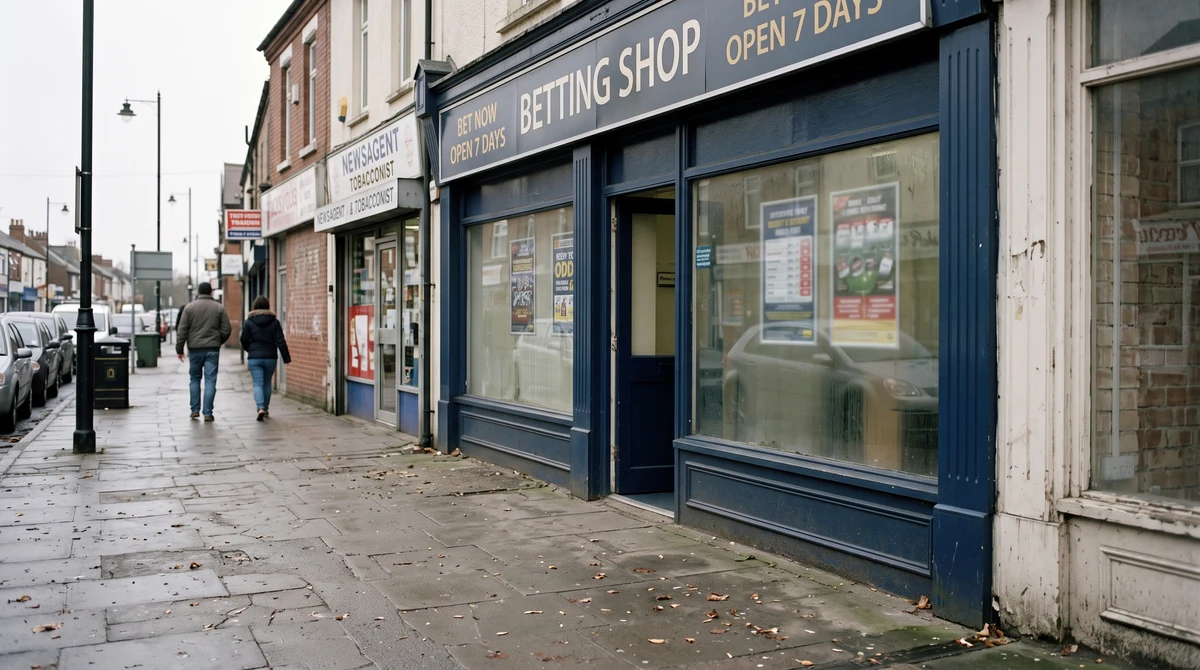
HM Treasury is reportedly modelling a Machine Games Duty rate of up to 40% for land-based gambling machines. The proposal could raise costs for betting shops, casinos, bingo halls and adult gaming centres across Great Britain.
The reported rate remains under consideration. It is not government policy, and no final rate or start date has been announced.
The reports emerged on September 11, 2026, ahead of the Budget scheduled for October 28, 2026. The next formal opportunity for ministers to announce a change will be the Budget.
How Machine Games Duty works
Machine Games Duty applies to the net takings from taxable machine games. This is the money retained after winnings are deducted. The duty covers machines offering cash or qualifying prizes in betting shops and other licensed venues.
- 5% for lower-rate machines, generally costing no more than 20 pence to play, with prizes of up to £10.
- 20% for standard-rate machines, generally costing between 21 pence and £5 to play.
- 25% for higher-rate machines that exceed the standard limits.
HM Revenue and Customs says the applicable rate depends on the cost to play and the potential prize. A machine offering different game types can be taxed at the highest applicable rate across its takings.
Separate from the 2026 online gambling tax changes
The reported proposal concerns land-based machines. It is separate from tax changes already applied to remote gambling.
- Remote Gaming Duty rose from 21% to 40% on April 1, 2026.
- A new 25% rate for certain remote betting is due to begin on April 1, 2027.
- Bingo Duty was abolished from April 1, 2026.
The measures were legislated through the Finance Act 2026. The government’s published response said the package would not change tax on in-person gambling. A Machine Games Duty increase would therefore be a new decision, rather than part of the earlier online reforms.
Why high streets could feel the impact
Great Britain had 5,782 betting shops and 190,965 machines in Gambling Commission-licensed premises between July and September 2025.
Land-based gambling generated £1.2 billion in gross gambling yield during that quarter. Non-remote betting generated £592 million. These figures measure gross gambling yield, not stakes, deposits or operator profit.
The Betting and Gaming Council has warned that a higher Machine Games Duty rate could affect venue investment, employment and high-street businesses. Those are industry claims, not independent government forecasts.
In a July 2026 response to a Social Market Foundation proposal to increase the duty, the council said the analysis did not adequately model possible closures, job losses or differences between betting shops, casinos, bingo clubs and adult gaming centres. The trade body also said regulated venues provide stronger consumer controls than illegal operators.
What remains undecided
There is no confirmed 40% rate, effective date or published Treasury impact assessment. If the measure is adopted, ministers would need to determine:
- whether the rate would apply to all machine categories or only selected machines;
- whether existing rates would be replaced or supplemented;
- how bingo halls, casinos and adult gaming centres would be treated;
- whether higher taxation would reduce machine use and taxable receipts; and
- how venue closures could affect jobs, business rates and access to regulated gambling.
Until the government publishes legislation, a consultation response or a Budget announcement, the current 5% to 25% Machine Games Duty structure remains in force.
The central policy question is whether additional tax receipts would outweigh the risk of higher costs reducing venue numbers, investment and regulated gambling activity in Great Britain.