


Premier League Betting Ban Leaves Sleeves and LED Boards in the Spotlight
Betting vanished from shirt fronts, but broadcast data shows where sponsorship visibility moved and why regulators may act next.
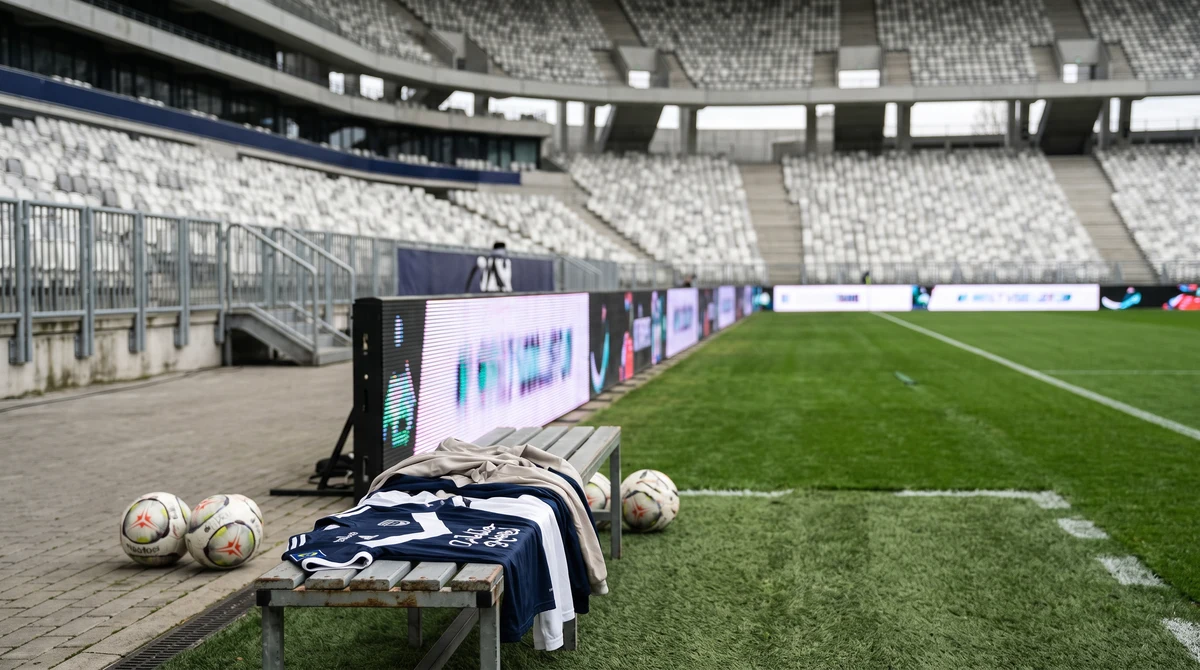
All 20 Premier League clubs removed betting brands from matchday shirt fronts for the 2026-27 season. New broadcast analysis shows that betting remained prominent on shirt sleeves and pitchside LED advertising.
Eyeballr analysed 40 televised matches from the first four matchweeks. Betting brands accounted for 25.4% of measured pitchside LED exposure and 34.0% of sleeve exposure.
Exposure moved rather than disappeared
Sleeve and LED placements made up 85.2% of all betting exposure measured by Eyeballr. The company identified 20 betting brands in the sample. The five largest accounted for 70.6% of betting-related LED time.
A betting brand appeared on screen for an average of 20.2 minutes per match. Eyeballr said all 20 clubs carried betting brands on their home LED systems.
The analysis also found a significant difference between the league's biggest clubs and the other teams. Betting accounted for 12.7% of LED time at the so-called big six grounds, compared with 31.3% at the other 14 grounds.
Sunderland recorded the highest share in the sample. Betting brands accounted for 61.4% of its LED exposure. Eyeballr cautioned that each club had played only two home matches, so the percentages may change as the season develops.
What the Premier League restriction covers
The Premier League agreed the restriction on 13 April 2023. It took effect at the end of the 2025-26 season and covers gambling sponsorship on the front of matchday shirts.
The measure is voluntary. It is not a general statutory ban on gambling advertising in football. Sleeve partnerships, pitchside advertising and other promotional formats remain subject to separate rules.
The Premier League described the agreement as an attempt to reduce gambling advertising. The Eyeballr figures are likely to intensify debate over whether removing shirt-front branding has materially reduced overall exposure.
Pressure builds over unlicensed sponsors
The Gambling Commission says sports organisations must ensure that gambling activity linked to an unlicensed brand remains inaccessible to consumers in Great Britain. It also advises clubs to assess legal, reputational, funding and integrity risks.
The guidance applies to Great Britain. Northern Ireland, the Channel Islands and the Isle of Man operate under separate legal and regulatory arrangements.
The Department for Culture, Media and Sport closed a consultation on 9 September 2026 on a proposed ban covering sponsorship and advertising by gambling operators that are not licensed by the Gambling Commission. The preferred effective date is August 2027, ahead of the 2027-28 football season.
The proposal is not yet legislation. The government said it will review responses before deciding whether to lay secondary legislation before Parliament.
The central question is whether betting branding has been removed from football shirts or redistributed across other high-visibility assets.
What the figures show, and what they do not
Eyeballr measures broadcast exposure. It does not measure sponsorship value, gambling activity or consumer harm. The figures cannot show whether viewers bet more or whether the shirt-front restriction changed gambling behaviour.
They do show that the restriction affects one part of a wider commercial system. At clubs outside the biggest six, several LED and sleeve placements may provide visibility that was previously concentrated in one prominent shirt-front deal.
That distinction will matter as the government considers wider restrictions. A future ban on unlicensed physical sponsorship could cover kit deals, pitchside boards, venue infrastructure and event materials. The current Premier League measure does not cover all those assets.