


Proposed Betting Tax Rise Could Put 16,000 Jobs and High Streets at Risk
Industry modelling warns a higher Machine Games Duty rate could cost jobs and close betting shops, especially outside London.
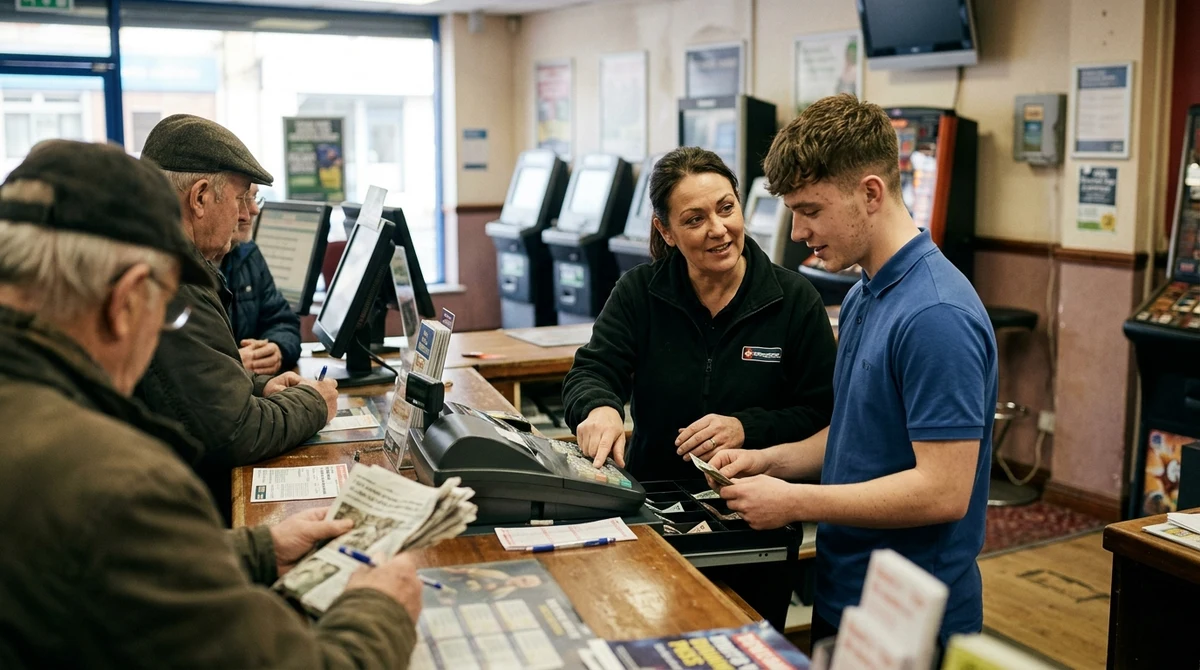
Britain’s betting-shop tax dispute has moved from company balance sheets to jobs and struggling town centres. The Betting and Gaming Council says more than 36,000 people work in betting shops, with over 80% of those jobs outside London. The warning comes ahead of the UK Budget on 28 October 2026.
Why young workers are central to the argument
Betting and Gaming Council figures show that 19% of betting-shop employees are under 25. Across the wider economy, the figure is 11%.
- 19% of betting-shop employees are under 25, compared with 11% across the wider economy.
- 51% of betting-shop employees are under 35, compared with 35% nationally.
- More than 36,000 people work in betting shops.
- Over 80% of those jobs are outside London.
The trade body says betting shops offer entry-level work in customer service, cash handling and supervision. It also says women make up about half of the workforce, with contracted hours that can suit people managing childcare or caring duties.
These claims come from the industry body. They are not an official government assessment.
The tax proposal is not law
The dispute centres on Machine Games Duty. It applies to the net takings from taxable gaming machines. The current higher rate is 25% for machines where the cost to play can exceed £5.
The Social Market Foundation has proposed raising that rate to 40%. Ministers have not legislated for the increase.
EY modelling commissioned by the Betting and Gaming Council estimates that a 40% rate could put up to 16,000 jobs at risk. It also projects the closure of almost 1,500 betting shops and as many as 34 casinos.
The modelling estimates that the Treasury could ultimately be up to £124 million worse off. Its explanation is that closures would reduce the wider tax base.
The forecast is an industry-commissioned estimate, not a government impact assessment or a confirmed outcome.
Where the pressure could land
The Betting and Gaming Council says 80% of the potentially affected jobs would be outside London. It puts 27% of the potential losses in the North of England, rising to almost 40% when Scotland is included.
That makes the dispute especially significant for market towns, former industrial communities and seaside locations. In those places, a closure can remove both a workplace and another occupied high-street unit.
The sector is already smaller than it was several years ago. The Betting and Gaming Council says more than 3,000 betting shops have closed since 2019, with more than 16,000 jobs lost.
Its campaign website also says betting shops pay around £1 billion a year in direct tax and about £60 million in business rates. Those figures are supplied by the trade body.
What has already changed
The government has already raised Remote Gaming Duty from 21% to 40% for accounting periods beginning on or after 1 April 2026.
A separate 25% remote betting rate is scheduled for 1 April 2027. It excludes self-service betting terminals, spread betting, pool betting and UK horse racing.
- Remote Gaming Duty rose from 21% to 40% from 1 April 2026.
- A separate 25% remote betting rate is scheduled for 1 April 2027.
- The proposed 40% Machine Games Duty rate has not been enacted.
The key distinction is between tax policy already in force and a rate that remains a proposal. The Budget on 28 October will show whether ministers want to extend the pressure to land-based venues, where jobs are concentrated outside London.
For workers and town centres, the argument is no longer only about gambling taxation. It is also about which businesses remain open and who gets their first chance to work there.