


Six Betting Chiefs Warn Tax Rise Could Close 1,470 Shops and Cost 15,900 Jobs
Six betting groups urge John Healey to reject new duty rises, warning that higher taxes could shrink Britain’s high streets and tax base.
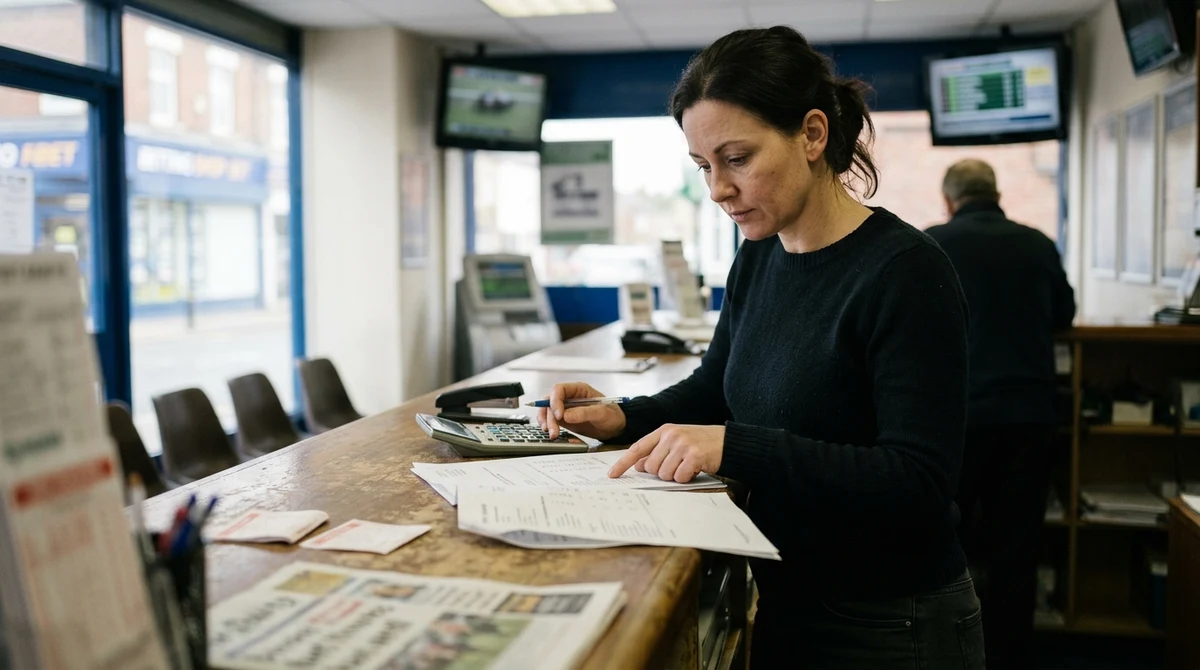
Six gambling industry chiefs have urged Chancellor John Healey to reject further duty increases at the UK Budget on 28 October 2026. They warn that higher taxes could accelerate betting-shop and casino closures across Great Britain, putting local jobs and high-street businesses at risk.
The Betting and Gaming Council published their letter on 14 October. It was signed by the leaders of Entain, Flutter UK and Ireland, bet365, Bally’s Corporation, evoke and Betfred.
The intervention is a warning, not a change in law. No new gambling tax rate had been enacted by 14 October. The final decision rests with the government and Parliament.
What the betting companies want
The executives asked the Chancellor to rule out an increase in Machine Games Duty. They also called for the planned rise in remote betting duty, due in April 2027, to be paused until the effects of earlier tax changes can be measured.
HM Revenue and Customs currently lists Machine Games Duty at 5%, 20% or 25%, depending on the machine and its maximum cost of play. The existing Remote Gaming Duty rate is 40% for the 2026 to 2027 tax year.
The government’s earlier Budget plans set a new 25% remote betting rate for most remote betting activity from 1 April 2027. The companies say ministers should assess that change before adding another tax burden.
The closure figures behind the warning
Industry-commissioned modelling by EY estimates that a 40% Machine Games Duty rate could lead to:
- 690 to 1,470 additional betting-shop closures.
- 28 to 34 casino closures.
- 11,600 to 15,900 job losses.
These figures come from the Betting and Gaming Council and describe a projected outcome, not an official government forecast. The council also says more than 600 betting shops have closed and 10,250 jobs have been lost or placed at risk since the 2025 Budget.
Sky News reported that the letter highlighted the potential effect in Makerfield. The council said five of the area’s nine betting shops could be at risk under the scenario.
The local example shows how a Westminster tax decision could affect visible businesses in towns across England, Scotland and Wales. The dispute is not limited to company balance sheets. It also concerns employment, vacant premises and the tax revenue generated by local businesses.
What is already decided
HM Revenue and Customs has published the gambling-duty rates that apply for the 2026 to 2027 tax year. Those rates explain existing rules. They do not show that a proposed 40% Machine Games Duty rate has been approved.
The 28 October Budget is the next formal point at which the government can announce new tax policy. Any measure would then need to pass through the relevant legislative process before becoming law.
The Gambling Commission remains responsible for licensing and regulating most gambling businesses in Great Britain, including betting shops, casinos and online operators serving British customers. HM Revenue and Customs administers gambling duties. The two roles are separate.
Why the argument matters
The betting groups argue that a shrinking shop network could reduce employment, business rates and related tax receipts. Their modelling estimates a possible net loss to the Exchequer of up to £124 million after wider losses are considered.
That conclusion is not a settled fiscal result. The modelling was commissioned by the industry body representing the companies making the warning, so it should be read as an argument for their preferred tax policy.
The government must weigh two competing claims. Higher duties could raise more money from gambling activity. The companies argue that rates set too high could reduce the number of venues and jobs available to tax.
The Budget on 28 October will show whether ministers accept that warning, proceed with the planned April 2027 change or introduce a different approach.
Industry modelling points to thousands of potential job losses, but the figures are projections rather than an official government forecast. The Budget will determine whether the planned tax changes proceed.