


World Cup Study Exposes UK Gap Over Gambling Brands in Live Broadcasts
A 2026 World Cup study counted 6,429 gambling logos, raising a key question: do UK safeguards cover branding inserted before broadcasts arrive?
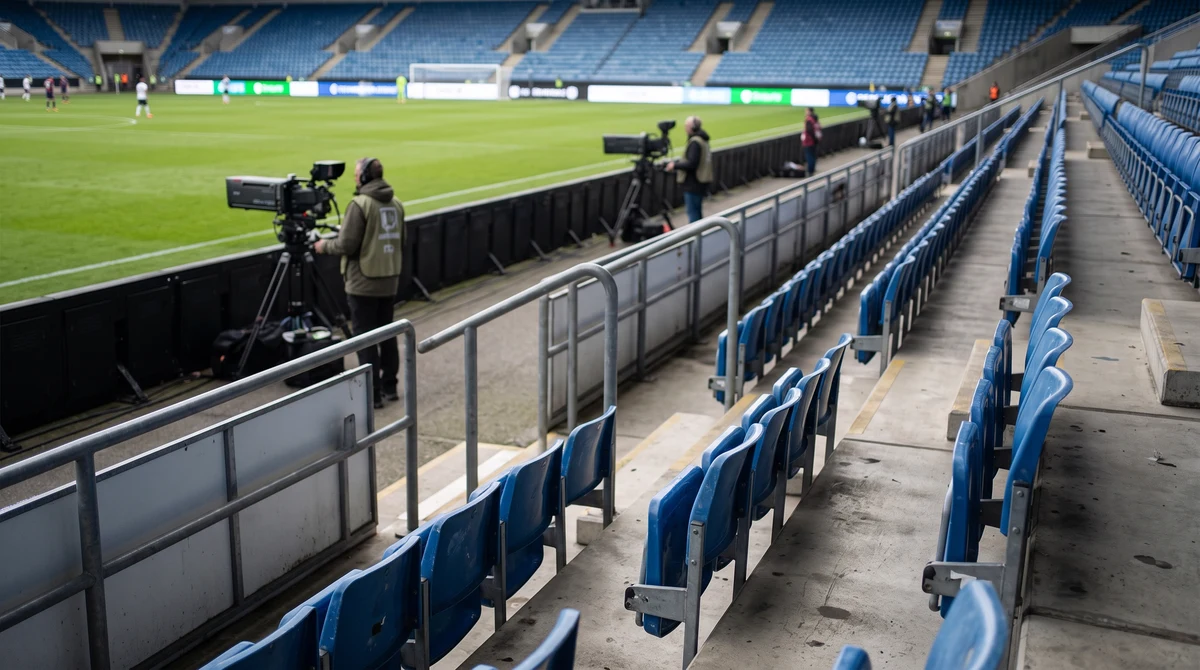
A study by the University of Bristol and the University of Oxford has intensified scrutiny of gambling branding embedded in international sports broadcasts. Researchers counted 6,429 gambling logos and 9,360 prediction-market logos across all 104 matches of the 2026 FIFA World Cup.
Published on 22 September 2026, the research analysed 172.6 hours of live footage with an artificial intelligence computer-vision model. It estimated 267 billion harmful-product logo impressions across 53 UK broadcasts with available audience data.
That estimate includes gambling, prediction markets, alcohol, cryptocurrency, and unhealthy food and drink. It is not a count of gambling impressions alone.
Branding appeared inside the match footage
The study examined pitchside and other branding embedded in FIFA’s centrally produced international feed. It did not include commercial breaks added by individual broadcasters.
Researchers recorded harmful-product branding in every match. It appeared during 39.3 hours of live play, meaning viewers could not avoid it without missing part of the game.
Across all categories, the study recorded 93,409 logos. Gambling and prediction-market brands accounted for 15,789 logos.
The research measures how often branding appeared on screen. It does not establish that every logo breached British law or that every viewer saw every logo.
The researchers said FIFA distributed the same embedded advertising to broadcasters in more than 220 territories. They argued that this model could expose audiences to brands that were not licensed, legal, or clearly regulated in the country receiving the footage.
The report also said virtual board replacement technology could display different advertising in different markets. The researchers cited similar technology used by UEFA during EURO 2024.
Why the UK position is difficult to apply
In Great Britain, licensed gambling operators must market their products responsibly and comply with advertising codes issued by the Committees of Advertising Practice. Gambling Commission licence condition 5.1.6 makes that requirement part of the licensing framework. The condition was in force when the study was published.
The Advertising Standards Authority administers most UK advertising-code enforcement. Ofcom retains overall responsibility for broadcast standards and programme sponsorship. The Gambling Commission also warns sports organisations about arrangements involving unlicensed gambling operators.
That framework does not automatically settle how regulators should treat a gambling logo inserted into an international sports feed before it reaches a British broadcaster.
The study calls on governments and regulators to clarify whether commercial branding embedded in live sport is covered by marketing rules. The practical issue is whether responsibility rests with the operator, the rights holder, the broadcaster, or more than one party.
What the figures show, and what they do not
- 6,429 gambling logos were recorded across the tournament.
- 9,360 prediction-market logos were recorded.
- 93,409 harmful-product logos were recorded across all categories.
- 267 billion impressions were estimated across all harmful-product categories and 53 UK broadcasts.
- The analysis covered centrally supplied match footage, not broadcaster-added advertising breaks.
The UK estimate is a population-exposure calculation based on available audience data. It should not be read as a count of individual people or as proof that every viewer saw every logo.
It also does not prove that every promoted operator targeted British consumers or that every brand was subject to the same legal position in every territory.
Pressure on broadcasters and rights holders
The findings are likely to increase scrutiny of FIFA, rights holders, and broadcasters carrying international sporting events into Great Britain. The issue is not only whether an operator holds a British licence.
Regulators may also have to consider whether an embedded brand can appear in a feed shown to viewers under a different national advertising and licensing framework.
Great Britain’s gambling rules operate through the Gambling Act 2005 and the Gambling Commission’s licensing system. Northern Ireland has a separate legal framework. The Channel Islands and the Isle of Man have their own regimes.
A UK broadcast estimate therefore does not mean that one gambling law governs every part of the British Isles.
The policy question is whether regulators will treat fixed pitchside branding as advertising under existing rules or seek new guidance, legislation, or licence requirements.
The Bristol and Oxford report recommends meaningful penalties and market-specific technology where a product cannot lawfully be advertised or offered.