


£5m Grosvenor Settlement Exposes Costly Casino Compliance Failures
The Gambling Commission found AML and safer-gambling failures across 51 Grosvenor casinos. An external audit will test whether the fixes work.
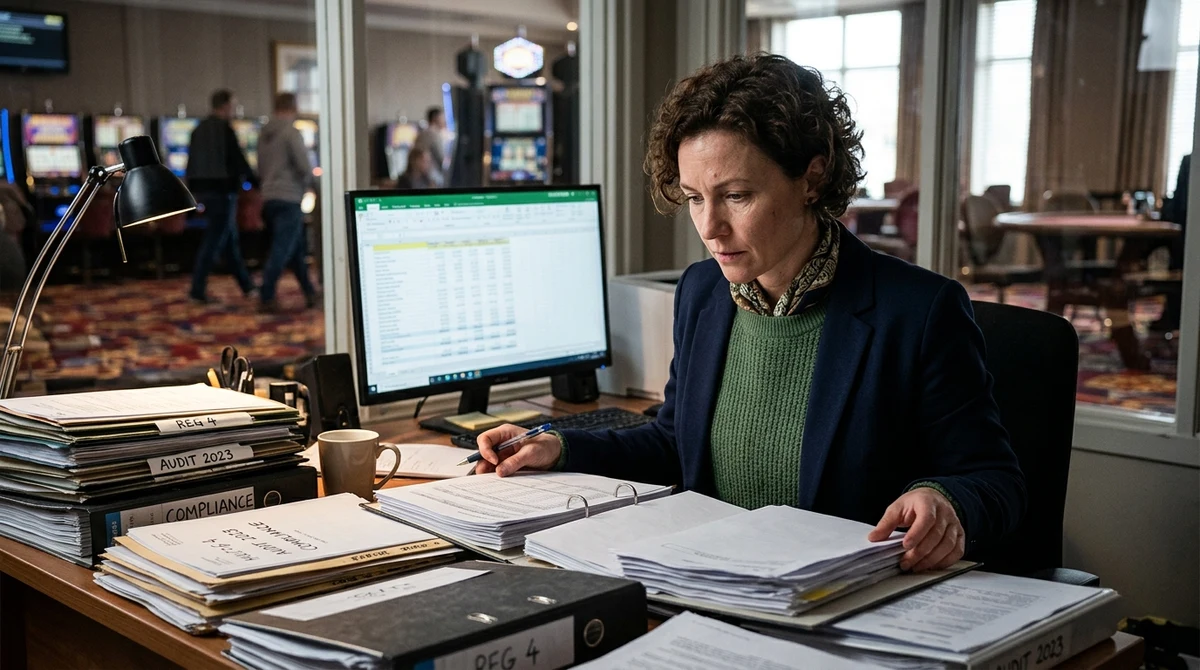
Rank Group’s Grosvenor casino businesses must pay £5,012,261 after a Gambling Commission review found anti-money-laundering and safer-gambling failures across their Great Britain operations.
The final settlement, published on 7 October 2026, also requires an external audit of controls across 51 casinos.
The case shows that land-based casinos face the same scrutiny as online operators when customer risk, money laundering and gambling harm controls fail.
What the Gambling Commission found
The Gambling Commission opened a licence review under Section 116 of the Gambling Act 2005. It later carried out a targeted compliance assessment at one venue on 13 June 2025.
The review found breaches of:
- Licence Condition 12.1.1, paragraphs 2 and 3, covering the prevention of money laundering and terrorist financing.
- Social Responsibility Code Provision 3.4.1, covering customer interaction in land-based gambling premises.
The findings included policies that did not properly reflect changes to the Money Laundering Regulations made in 2020.
The regulator also found inconsistent decisions about customers with elevated money-laundering risk. Enhanced due diligence was not completed adequately when the operators’ own policies required it.
In one example, a customer used cash to recycle about £85,000 through a venue over roughly 11 weeks. The customer’s risk level was not raised. Enhanced checks were not properly completed until losses reached about £13,000.
The Gambling Commission also criticised the handling of cryptocurrency-related funds. In some cases, the process appeared to focus on whether crypto assets had been converted into fiat currency through a bank account. It did not sufficiently examine the wider source of wealth or funds.
Safer-gambling action came too late
The review identified failures in how staff responded to heavy losses, repeated play and customers returning after self-exclusion.
- One customer lost about £50,000 without a recorded safer-gambling interaction.
- Another won about £260,000, then lost roughly £250,000 in 12 days without a recorded interaction.
- A customer returning after self-exclusion was allowed to lose about £25,000 before the operator took action.
The Commission said staff sometimes relied on a customer’s perceived wealth or winning position when deciding how seriously to intervene.
Repeated reality checks and loss alerts also failed to change behaviour in some cases. The operator did not adequately review whether those interactions had worked.
The practical lesson is direct. A conversation is not enough if it does not reduce risk. Operators are expected to assess the effect of an intervention and escalate when a customer continues to play or lose heavily.
What Grosvenor and Rank must do
The settlement is a payment in lieu of a financial penalty, not a criminal fine. The full £5,012,261 will go to the Government’s Consolidated Fund.
The agreement also includes payment of the Gambling Commission’s investigation costs and publication of the statement of facts.
Grosvenor must complete a third-party external audit within six months of the conclusion of the Gambling Commission’s licence review.
The audit must examine whether its anti-money-laundering and safer-gambling policies, procedures and controls are being implemented effectively.
Rank said on 7 October 2026 that it had already provided £5 million for the settlement in its 2025/26 accounts. The company said the agreement would create no further impact on group profits and that remedial work had been substantially completed.
A warning for British casinos
The Gambling Commission said major enforcement cases are often linked with online gambling. The same risks also exist in physical venues.
Its message applies to premises-based operators across Great Britain. It does not automatically apply to Northern Ireland, the Channel Islands or the Isle of Man, which operate under different legal arrangements.
Operators now face a clear compliance test:
- Keep customer risk assessments current.
- Document source-of-funds decisions.
- Identify customers returning from self-exclusion.
- Act when losses or play patterns suggest possible harm.
- Check whether interventions actually change customer behaviour.
For Grosvenor, the six-month audit will show whether the changes work beyond written policies. For the wider land-based sector, the settlement turns a familiar compliance warning into a costly and detailed checklist.