


Betting Branding Dominates Premier League Highlights Despite Shirt Ban
A University of Nottingham preprint found gambling brands occupied 32.6% of sampled Premier League highlights screen time.
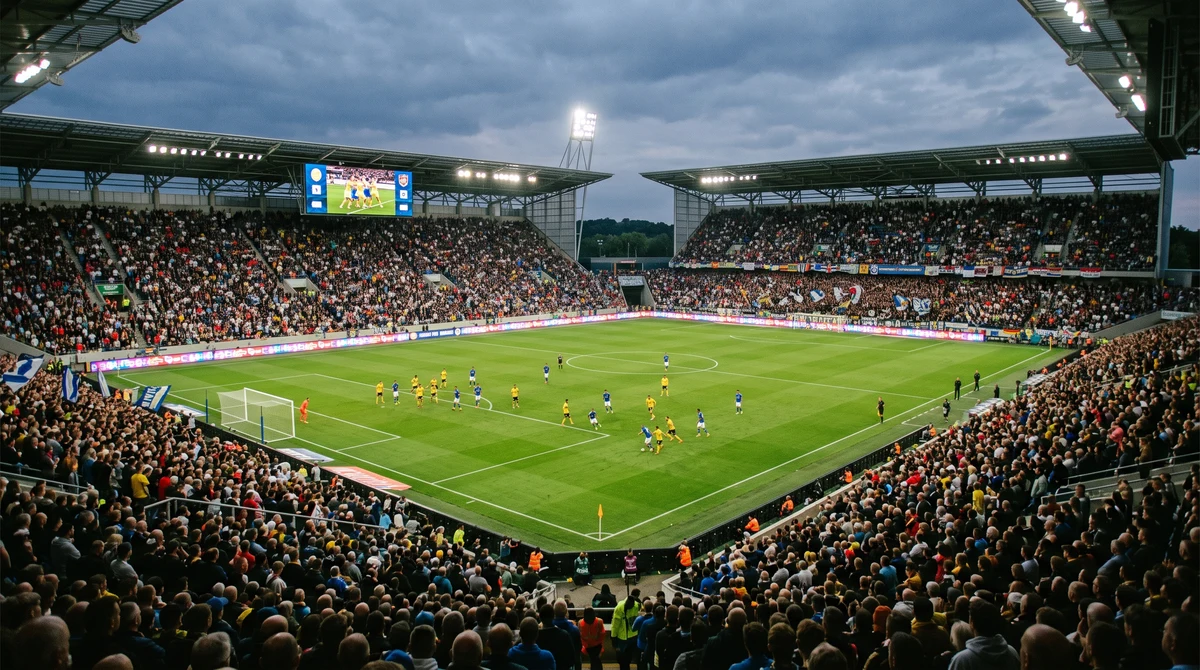
Gambling branding occupied 32.6% of the screen time in a sample of Premier League YouTube highlights, according to University of Nottingham research reported by Phys.org. The research was published as a medRxiv preprint on 19 August 2026.
The comparable figure in the study’s sample of FIFA World Cup highlights was 1.5%.
- The researchers examined 10 Sky Sports highlights packages from the final matches of the 2025/26 Premier League season.
- Pitchside boards and LED screens accounted for 50.4% of gambling brand appearances.
- Front of shirt branding accounted for 27.1%.
- Ten of the 12 pre roll adverts shown before the Premier League videos were gambling adverts.
What the shirt front ban covers
Premier League clubs agreed in April 2023 to withdraw gambling sponsorship from the front of matchday shirts. The agreement took effect at the end of the 2025/26 season, so it applies from the 2026/27 campaign.
The measure is a voluntary league agreement. It is not a general statutory ban on gambling advertising in football, according to the Premier League.
The research indicates that front of shirt branding represented only part of the gambling exposure recorded in match footage. Pitchside advertising, LED boards, stadium signage, sleeve sponsorship and digital advertising remain outside the specific scope of the agreement.
Removing one prominent logo placement does not remove gambling branding from football coverage.
Digital highlights add another exposure route
The researchers analysed short form match footage published on YouTube. The sample covered highlights from the final 10 Premier League matches of the 2025/26 season and 17 FIFA World Cup matches.
The pre roll findings raise a separate issue. Gambling adverts accounted for 10 of the 12 adverts shown before the sampled Premier League highlights. That places gambling marketing directly before short videos that can attract large football audiences, including younger viewers.
The research does not establish how many viewers saw the adverts or whether the exposure caused gambling participation. It measures the presence and duration of branding in a limited sample. The paper has not undergone peer review.
Different rules apply to different forms of marketing
In Great Britain, gambling advertising must comply with rules written by the Committees of Advertising Practice and enforced by the Advertising Standards Authority. The Gambling Commission can also take action against licensed operators when advertising breaches regulatory requirements.
Sponsorship is treated as advertising under Section 327(2)(a) of the Gambling Act 2005. Gambling Commission guidance states that sponsorship arrangements must comply with rules on socially responsible advertising and the branding of children’s replica kits.
The regulatory framework does not automatically remove every gambling logo visible during a football broadcast or online highlight. Responsibility can depend on whether the material is a paid advert, sponsorship exposure, editorial footage, platform placement or operator controlled marketing.
What changes for viewers
The findings are likely to increase scrutiny of advertising formats beyond shirt fronts. Key areas include:
- LED pitchside boards
- Sleeve sponsorship
- Stadium signage
- Digital highlights
- Pre roll advertising
The Advertising Standards Authority has warned that football related gambling content can breach the rules when it strongly appeals to under 18s. In May 2026, it upheld a ruling against an Oddschecker social media advert featuring Harry Kane and Erling Haaland.
For Premier League viewers in England and Wales, the practical change from the 2026/27 season is narrower than a full separation between football and betting brands. The front of the shirt is changing. Other visual and digital exposure routes remain.