


Gambling Commission Fees Rise 25% From October as Operators Face New Costs
Most Gambling Commission fees will rise by 25% from 1 October 2026, while society lottery fees remain unchanged.
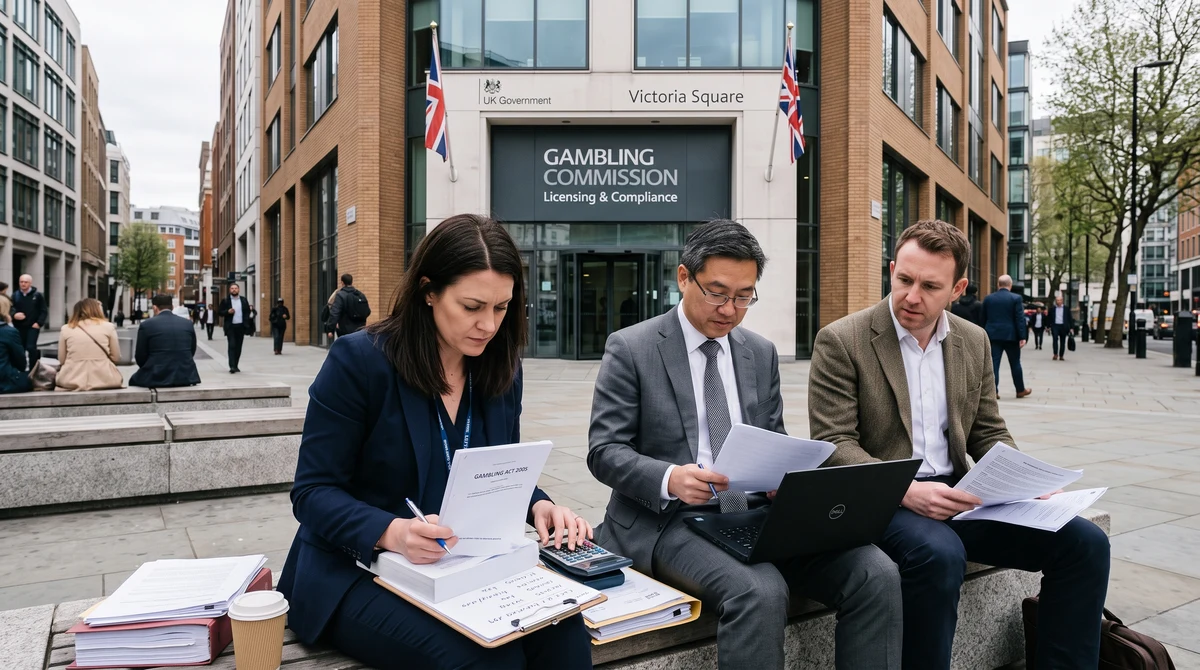
Most Gambling Commission fees for operators serving Great Britain will rise by 25% from 1 October 2026. Society lottery fees will remain unchanged, while some betting licences will use gross gambling yield to calculate charges.
The fee changes were made in regulations on 14 July 2026 and laid before Parliament on 16 July. They are scheduled to take effect on 1 October 2026 under the made negative procedure.
The changes apply to operators licensed by the Gambling Commission in England, Scotland and Wales. They do not create a single gambling licensing system for the whole United Kingdom.
What changes on 1 October
- Most operating-licence fees will rise by 25%, although the precise increase will vary by licence type and gross gambling yield band.
- Society lottery fees will remain at their current levels.
- Personal licence, supplementary licence and single-machine permit fees will rise by 25%.
- Fees for licence variations and changes of corporate control will also rise by 25%.
- Fees for non-remote general betting limited licences will be based on gross gambling yield rather than the number of operating days.
The Department for Culture, Media and Sport published its consultation response on 30 June 2026. It said the new fees would help the Commission recover its regulatory costs and respond to illegal gambling, policy reforms and technology investment. (UK government)
Regulations set the implementation date
The legal position has moved beyond a consultation proposal. The Gambling (Fees) (Miscellaneous Amendments) Regulations 2026 were made on 14 July 2026 as Statutory Instrument 2026/828. They were laid before both Houses on 16 July.
The instrument uses the made negative procedure. It is scheduled to come into force on 1 October 2026. Parliament can scrutinise the regulations before that date, but operators already have a defined implementation timetable. (UK Parliament procedure record)
On-course bookmakers face a new calculation method
The main structural change affects holders of non-remote general betting limited licences. Their fees will no longer depend on how many days they operate during a year.
Under the new schedule, annual fees will start at £252 for operators with gross gambling yield below £100,000. The fee will rise to £356 for gross gambling yield from £100,000 to below £200,000, and to £459 for gross gambling yield from £200,000 to below £300,000.
Operators with gross gambling yield above £300,000 will pay £563, with further charges for each complete additional £100,000.
The government said 44% of operators in this category would receive a fee reduction. A further 53% would face an increase of £22, from £230 to £252.
The revised method is intended to align fees with the scale of gambling activity and remove the link to operating days. (UK government)
Personal licence costs will also rise
The application fee for a Personal Management Licence will increase from £370 to £463. The Personal Functional Licence application fee will rise from £185 to £231.
Maintenance fees will increase from £370 to £463 for a Personal Management Licence and from £145 to £181 for a Personal Functional Licence.
The Gambling Commission has also published a £231 application fee for personal licence applications from 1 October 2026. (UK government)
Why the Commission requested more funding
The consultation document said the Commission’s annual income, excluding National Lottery regulation, was £27.9 million.
It reported using £3.1 million of reserves in the 2024 to 2025 financial year. It forecast a further £5 million drawdown for 2025 to 2026.
Without a fee increase, the Commission forecast that its reserves could be exhausted during the 2026 to 2027 financial year.
- Projected deficit for 2027 to 2028: £7 million.
- Projected deficit by 2030 to 2031: £9.5 million.
The figures formed the financial basis for the proposed fee increase. (UK government consultation)
The changes cover Great Britain, not Northern Ireland
The new fees apply to Gambling Commission licensing under the Gambling Act 2005 in England, Scotland and Wales.
Northern Ireland has separate gambling legislation and enforcement arrangements. The Gambling Commission does not regulate land-based gambling there.
Remote operators with key equipment in Great Britain may still need a Gambling Commission licence if they offer services in Northern Ireland or advertise there. (Gambling Commission guidance)
Operators serving the British market should check their licence category, review the gross gambling yield data used for fee calculations and budget for revised annual, application and maintenance charges before 1 October 2026.