


House of Lords Report Could Intensify Pressure on Great Britain’s Gambling Advertising Rules
A Lords report will examine gambling marketing and youth exposure, but any legal changes would require separate government or parliamentary action.
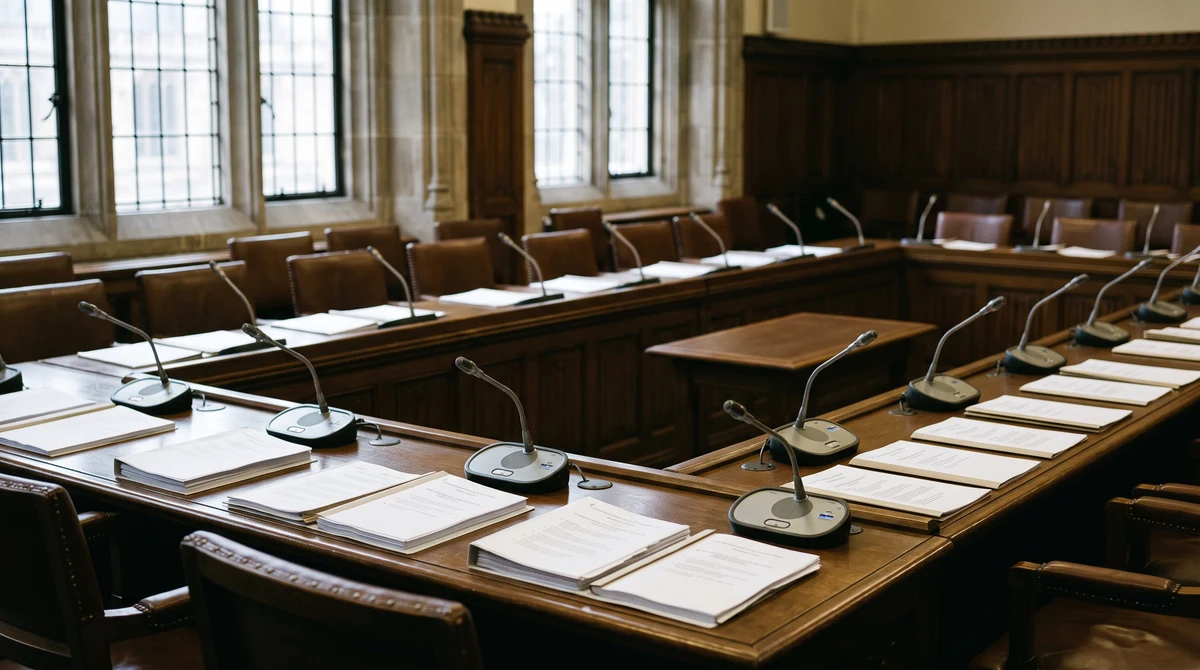
The House of Lords Liaison Committee will publish a follow-up report on gambling advertising, marketing and sponsorship on Thursday 17 September 2026. The report will revisit how Great Britain protects under-18s and adults from gambling-related harm.
The report will increase scrutiny of gambling marketing, but it will not change the law or impose new restrictions by itself.
The document is an evidence and scrutiny report. It is not legislation, a licence condition or a final regulatory decision. Any changes would require further action by ministers, Parliament, the Gambling Commission, the Advertising Standards Authority or other relevant bodies.
What the Lords inquiry is examining
- How gambling advertising has changed since the committee’s July 2020 report.
- How under-18s are exposed to gambling marketing.
- The relationship between advertising, under-18 gambling and gambling-related harm among adults.
- Whether the current advertising rules are working effectively.
- Who or what is responsible for the estimated 1.0 million to 1.5 million adults in Great Britain experiencing problem gambling.
The review involved members of the former Gambling Industry Committee and the Liaison Committee. The House of Lords said copies would be released to the media under embargo on 16 September. Publication is scheduled for 00:01 on 17 September.
Why the timing matters
The inquiry comes as the government considers a separate proposal to ban advertising and sponsorship by gambling operators that do not hold a Gambling Commission licence for Great Britain.
The Department for Culture, Media and Sport published the consultation on 15 July 2026. It closed on 9 September. The government’s preferred option would use secondary legislation and introduce the ban from a fixed date in August 2027, before the 2027-28 football season.
The proposal covers physical advertising and sponsorship arrangements. These include shirts, equipment, stadium advertising, event programmes and the naming of venues or competitions. The proposal is not yet law. The government said it plans to publish its formal response later in 2026.
Two separate regulatory questions
The Lords report is expected to examine the wider system for gambling advertising. That includes licensed operators, media placement, marketing content and exposure among young people.
The government consultation addresses a narrower legal gap. Under the proposal, a company, club, venue or other organisation could commit a criminal offence by advertising or accepting sponsorship from an operator that is not licensed by the Gambling Commission. This could apply even where the operator claims to block access from Great Britain.
The distinction matters. The Lords report cannot impose a ban. The government consultation cannot, by itself, rewrite the wider advertising rules.
What the current rules require
In Great Britain, licensed gambling businesses must comply with the Gambling Commission’s licence conditions and codes. Advertising must also meet the UK advertising codes enforced by the Advertising Standards Authority.
Gambling marketing must not be directed at children or young people. The Gambling Commission says people under 25 must not appear in gambling marketing outside limited circumstances, including certain material shown where a bet can be placed directly.
The rules also restrict advertising that is likely to have strong appeal to under-18s. Sports personalities, celebrities, imagery and links to youth culture can create compliance risks when they make gambling marketing particularly attractive to younger audiences.
What happens next
- The Lords report will set out findings and recommendations, but not immediate legal changes.
- Ministers must decide how to respond to the consultation on unlicensed sponsorship.
- Any proposed secondary legislation would need parliamentary approval.
- The Gambling Commission and the Advertising Standards Authority would continue to enforce the existing framework unless new rules take effect.
For operators and sports organisations in Great Britain, the immediate issue is regulatory pressure rather than a new prohibition. The report could shape future government policy, but its legal effect will depend on decisions taken after publication.