


Gambling Licence Fees Rise 25% as Lords Warn of Funding Risks
Great Britain’s gambling licence fees will rise from 1 October, while Lords scrutiny questions the regulator’s financial resilience.
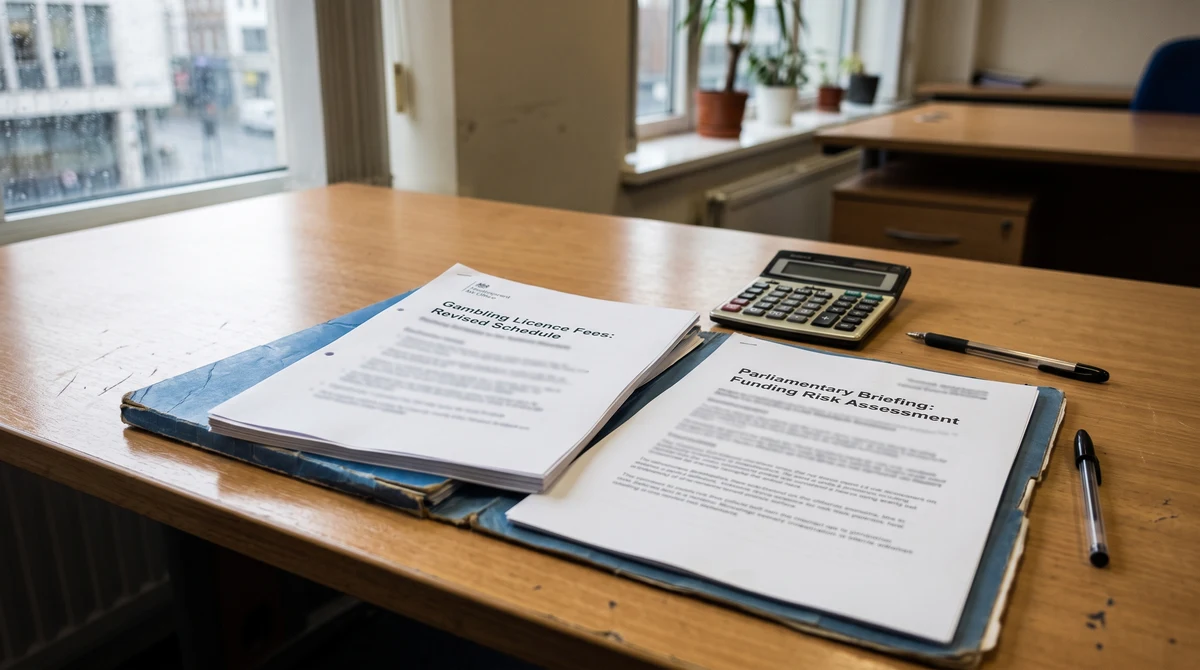
Gambling licence fees in Great Britain will rise by 25% overall from 1 October 2026, while parliamentary scrutiny has raised concerns about the Gambling Commission’s financial stability.
The increase is set out in the Gambling (Fees) (Miscellaneous Amendments) Regulations 2026. The statutory instrument was made on 14 July and laid before Parliament on 16 July. It is scheduled to take effect on 1 October.
The immediate question is whether higher fees will give the Gambling Commission stable funding, or lead to further increases and legislative changes.
Why the fees are rising
The Department for Culture, Media and Sport said the Gambling Commission’s reserves could be exhausted during the current financial year without an October fee increase.
The department linked the pressure to higher regulatory costs, investment, changes in the gambling market, illegal gambling risks, and product and payment innovation.
The Commission has also recorded annual budget deficits since its fees were last updated in 2021, according to the House of Lords Secondary Legislation Scrutiny Committee.
The committee said the government had created urgency by bringing forward the regulations shortly before the summer recess. The changes are due to take effect during the parliamentary conference recess.
Operators will not all pay the same increase
The 25% figure is an overall increase. The amount payable will depend on the licence type, the operator’s gross gambling yield band, and the regulatory work linked to the activity.
- Some remote casino operators will face increases above 25%.
- Some licence holders will face smaller increases.
- Some operators may receive a fee reduction.
- Society lottery fees are largely exempt from the increase.
The Gambling Commission has published revised application and annual fee tables for charges starting on 1 October. The new schedules use wider gross gambling yield bands for several betting licences.
That means operators must check the yield band assigned to their licence category rather than apply the headline 25% figure to every charge. UKiGaming also reported that operators would face higher costs from October.
Commission must find £8 million in savings
The Commission must find at least £8 million in efficiency savings over five years to maintain the same level of activity under the new arrangements, the scrutiny committee said.
DCMS told the committee that the savings were achievable and consistent with the government’s Better Regulation agenda. It also said the government would provide about £26 million to support work against illegal gambling over the next three years.
The committee warned that continued financial pressure could affect licensing, compliance and enforcement work. It urged the government to introduce primary legislation giving the Commission greater flexibility and control over its funding.
Great Britain rules do not cover Northern Ireland
The new fees apply to Gambling Commission licences covering England, Scotland and Wales under the Gambling Act 2005.
Northern Ireland has separate gambling legislation and enforcement arrangements. The October changes are not a licensing reform for the whole United Kingdom.
What operators need to check
The regulations have already been made and are scheduled to come into force on 1 October 2026. Operators serving the Great Britain market should check three points before the new charges apply:
- the relevant licence category;
- the applicable gross gambling yield band;
- the next payment date.
The fee increase is therefore only part of the change. The longer-term issue is whether the new income will provide enough resilience for the Gambling Commission to regulate a changing market without relying on repeated emergency increases or future primary legislation.