


Great Britain Proposes Powerball Betting Ban After Allwyn National Lottery Launch
A six-week consultation could stop licensed operators offering Powerball bets in Great Britain, but no ban is in force before 4 November.
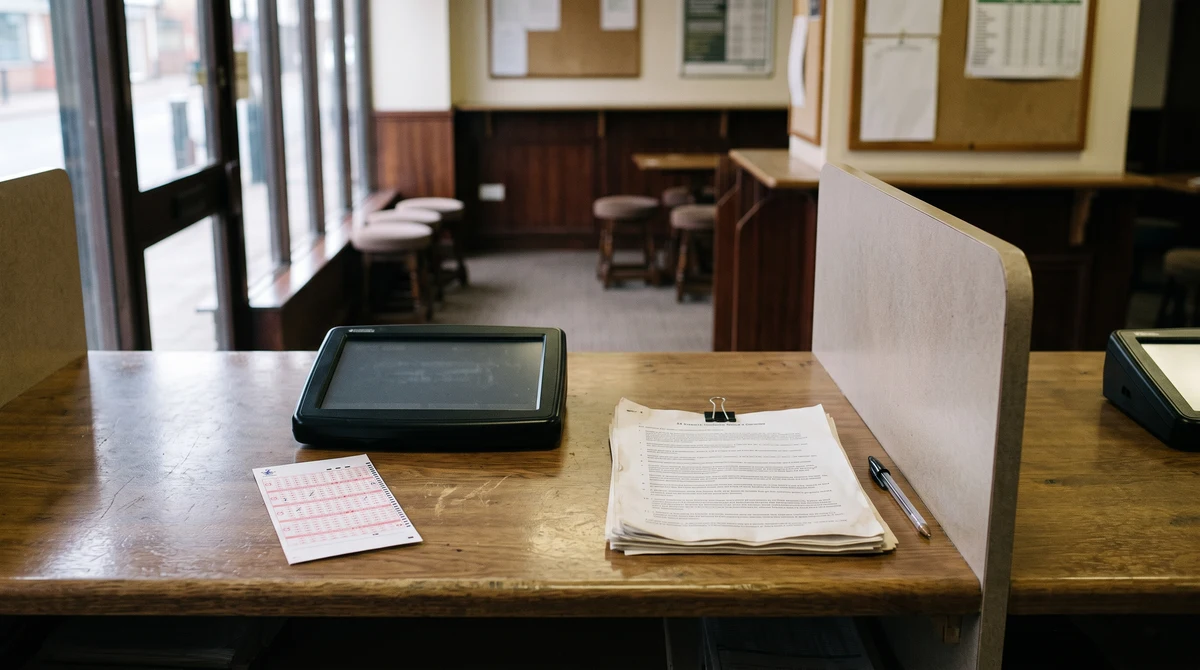
The Department for Digital, Culture, Media and Sport opened a six-week consultation on 23 September 2026 on banning licensed betting operators from offering bets on Powerball outcomes to consumers in Great Britain. The proposal follows Allwyn’s launch of Powerball through the National Lottery on 21 July 2026.
The proposal is not yet law. Licensed operators can continue offering Powerball bets unless and until a new licence condition takes effect.
What would change
The government proposes a new licence condition under the Gambling Act 2005. It would prevent operators licensed by the Gambling Commission from offering third-party bets on Powerball draws to consumers in Great Britain.
The condition would apply to operators holding:
- General betting operating licences.
- Pool betting licences.
- Betting intermediary licences.
The restriction would target Powerball specifically. Operators could continue offering bets on other lotteries that are not part of the National Lottery, including Irish Lotto.
Why the government supports the restriction
The Department for Digital, Culture, Media and Sport said customers could confuse an official National Lottery Powerball entry with a separate bet on the result through a gambling operator.
The government also warned that third-party betting could reduce National Lottery sales and affect funding for good causes. It said National Lottery products generate about £1.8 billion a year for arts, heritage, sport and community projects. Roughly 23% of sales is directed to those causes, according to the consultation document.
Third-party betting operators do not have the same requirement to contribute sales proceeds to National Lottery good causes. The consultation document also says alternative bets could be offered below the retail price of an official ticket, giving customers another reason to choose them.
Why the current law does not cover the bets
Section 95 of the Gambling Act 2005 prohibits betting operators from offering bets on the outcome of lotteries that form part of the National Lottery. The underlying United States Powerball draw, however, is not itself part of the UK National Lottery.
That distinction means the existing rule does not automatically prohibit bets on the draw. The proposed licence condition would close the gap after Powerball became available through Allwyn’s National Lottery portfolio.
The Gambling Commission issued Allwyn Entertainment Ltd a Section 6 licence, effective from 21 July 2026, to introduce Powerball in the UK. The Commission said it assessed legality, player interests, propriety and potential returns to good causes before granting the licence.
Consultation timetable
The consultation opened on 23 September 2026 and closes at 23:59 on Wednesday, 4 November 2026. The government is seeking responses from betting and lottery businesses, affected operators, players and other interested parties.
The consultation covers the United Kingdom for response purposes. The proposed licence condition itself would apply to bets offered to consumers in Great Britain. Northern Ireland has a separate gambling law framework and is not covered by the proposed Gambling Commission condition.
What happens next
Licensed operators can continue offering Powerball bets in Great Britain unless and until the proposed condition takes effect. The consultation document does not set an enforcement date.
The government has rejected a voluntary approach at this stage. It cited earlier experience with betting on non-UK EuroMillions draws. It has also rejected a broader ban on betting on all lotteries as disproportionate because that would affect products outside the National Lottery.
The final decision will depend on the consultation responses and any subsequent legal and regulatory steps. The government has not announced when a final decision or any new licence condition would take effect.